
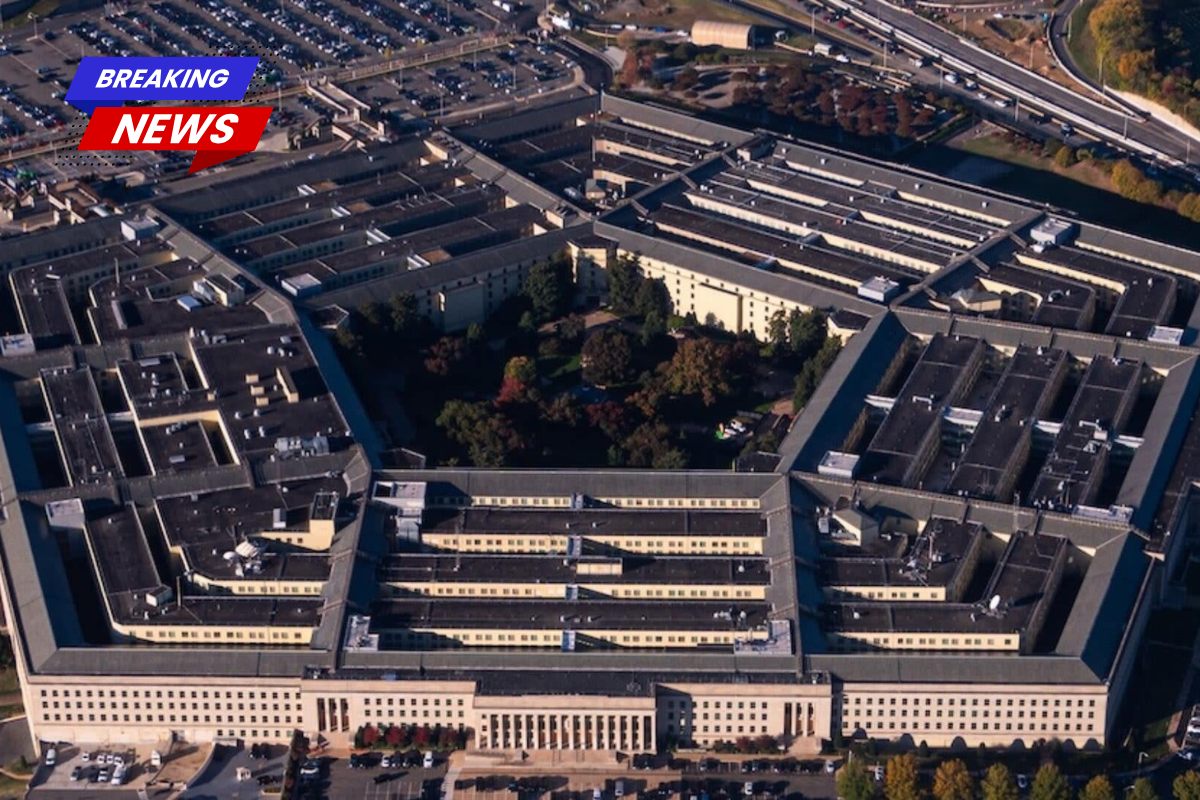
The United States is set to withdraw 5,000 troops from Germany, the Pentagon announced on Friday. The decision comes amid growing tensions between President Donald Trump and Europe over the ongoing Iran war, with a particular rift between Trump and German Chancellor Friedrich Merz.
Disagreement with German Leadership
Trump had threatened to pull U.S. troops from Germany earlier in the week after a heated exchange with Merz. The German Chancellor criticized the U.S. approach to the Iran conflict, saying that the Iranians were humiliating the U.S. in negotiations to end the war and questioned what exit strategy Washington was pursuing.
A senior Pentagon official, speaking anonymously, said that German rhetoric had been “inappropriate and unhelpful,” adding that the president was right to react to these counterproductive remarks.
Details of the Withdrawal
The Pentagon confirmed that the withdrawal of U.S. troops would be completed within six to twelve months. Currently, there are about 35,000 active-duty U.S. military personnel stationed in Germany, more than any other country in Europe.
The official said the drawdown would reduce U.S. troop levels in Europe back to the levels they were before Russia’s invasion of Ukraine in 2022, which prompted a military buildup under then-President Joe Biden. The move also aligns with Trump’s longstanding push for Europe to assume greater responsibility for its own defense, a strategy he has pursued throughout his presidency.
Trump’s Approach to NATO Allies
The Pentagon’s move to withdraw troops is just the latest in a series of tensions between the U.S. and its NATO allies. Last week, Reuters reported that an internal Pentagon email outlined options to punish NATO countries that were perceived to have failed to support the U.S. in its conflict with Iran. Among the options was suspending Spain from NATO and reviewing the U.S. stance on Britain’s claim to the Falkland Islands.
Trump has also publicly expressed frustration with NATO allies, criticizing their failure to send naval support to help open the Strait of Hormuz, a vital waterway for global oil shipments that has been shut down due to the conflict with Iran.
Potential Future Withdrawals
It is unclear whether more troop withdrawals from Europe will follow. When asked on Thursday whether he would consider pulling U.S. troops out of Italy and Spain, Trump responded with a “probably.” Earlier, Trump had threatened to impose a full U.S. trade embargo on Spain after the Spanish government refused to allow its military bases or airspace to be used in operations against Iran.
Trump has also clashed with Italian Prime Minister Giorgia Meloni over the Iran war, accusing her of lacking courage after she distanced herself from his policies.
Friction with Germany
While Germany has been a significant ally to the U.S., supporting the Iran war with base access and overflights, the ongoing disagreements have strained relations. Merz expressed his skepticism about the conflict to Trump, stating that Germany was not consulted before the U.S. and Israel began attacking Iran in February.
Trump has long sought to reduce the U.S. military presence in Germany. He pushed for a reduction of 12,000 troops during his first term, though that plan was never enacted. After Trump lost the 2020 election, Biden reversed the reduction plans.
Impact on European Relations
The decision to withdraw troops, while not as drastic as some had expected, could deepen the divide between the U.S. and its European allies. Imran Bayoumi, a former Pentagon official, warned that European leaders may increasingly view Washington as unreliable and untrustworthy, pushing them to bolster their defense spending in response.
Troop Reduction Details
As part of the withdrawal, a brigade combat team currently stationed in Germany will be pulled out, and a long-range fires battalion that the Biden administration had planned to deploy later this year will no longer be sent. The Pentagon’s decision underscores the growing tensions between the U.S. and Europe and signals a shift in the U.S. military’s presence in the region.






