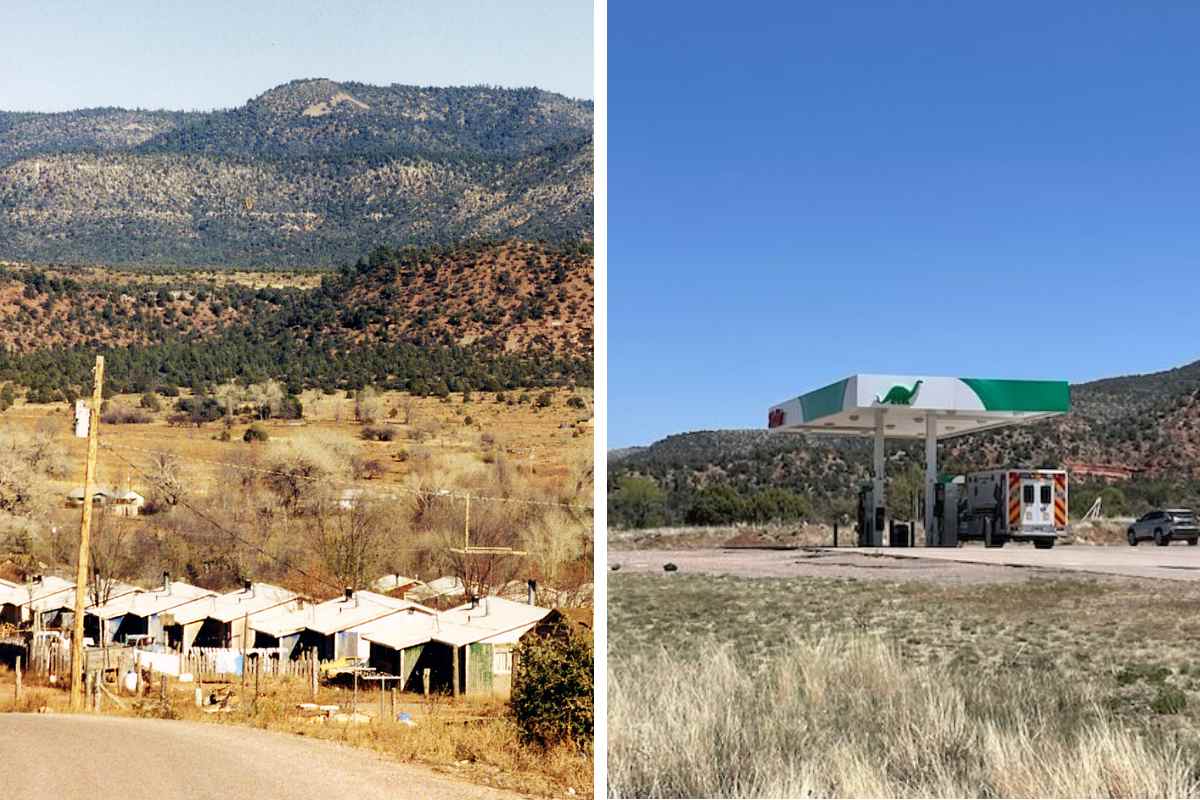
A small, remote community deep in the heart of eastern Arizona sits at the very bottom of the state’s income rankings. According to the latest U.S. Census Bureau data, Cibecue is the poorest town in Arizona, with a median household income of just $18,232 per year—less than a third of the statewide median of about $65,913.
Why Cibecue is the poorest
Cibecue is a census‑designated place in Navajo County, set within the rugged landscape of the White Mountains and surrounded by tribal lands.
The town sits entirely within the Fort Apache Indian Reservation, home to the Apache people, whose residents face long‑standing disadvantages in infrastructure, education, and employment opportunities.
The latest five‑year American Community Survey estimates show that roughly 66.7 percent of Cibecue’s residents live below the federal poverty line, compared with a statewide poverty rate of about 13.5 percent. In other words, two out of every three households in Cibecue struggle with persistent financial hardship, while the rest of Arizona is far better off.
Daily life in a high‑poverty town
With such low incomes, everyday basics become major challenges. Many families in Cibecue deal with food insecurity, limited access to quality healthcare, and aging housing stock. The nearest urban centers are an hour’s drive away, meaning residents must travel long distances just to reach well‑stocked grocery stores, larger hospitals, or higher‑wage job markets.
Public services and transportation options are sparse, and internet connectivity can be spotty, which further limits access to telehealth, online education, and remote work. Young adults often leave the area to pursue jobs or college, contributing to “brain drain” and making it harder for the community to build stable local economies.
Broader context: Arizona’s poverty picture
Arizona’s overall poverty rate hovers above the national average, with recent data showing nearly 13–14 percent of residents living in poverty. Native American communities, especially those on reservations, tend to be the hardest hit, due to a mix of colonial‑era land policies, underfunded infrastructure, and limited business development.
Cibecue’s extreme poverty does not exist in isolation; nearby reservation towns and rural areas in eastern Arizona also report elevated poverty rates and lower median incomes. These patterns highlight how geography, race, and historical policy converge to create pockets of economic distress that persist across generations.
What could help?
Community leaders and tribal governments have pushed for more investment in broadband, vocational training, and small‑business support tailored to reservation communities. Expanding access to affordable healthcare, early‑childhood education, and job‑readiness programs can help residents build steadier incomes without being forced to relocate.
SOURCES:
- https://mapazdashboard.arizona.edu/article/southern-arizona-communities-poverty-report-2022
- https://www.abc15.com/news/state/data-the-changing-income-and-poverty-rates-in-arizona