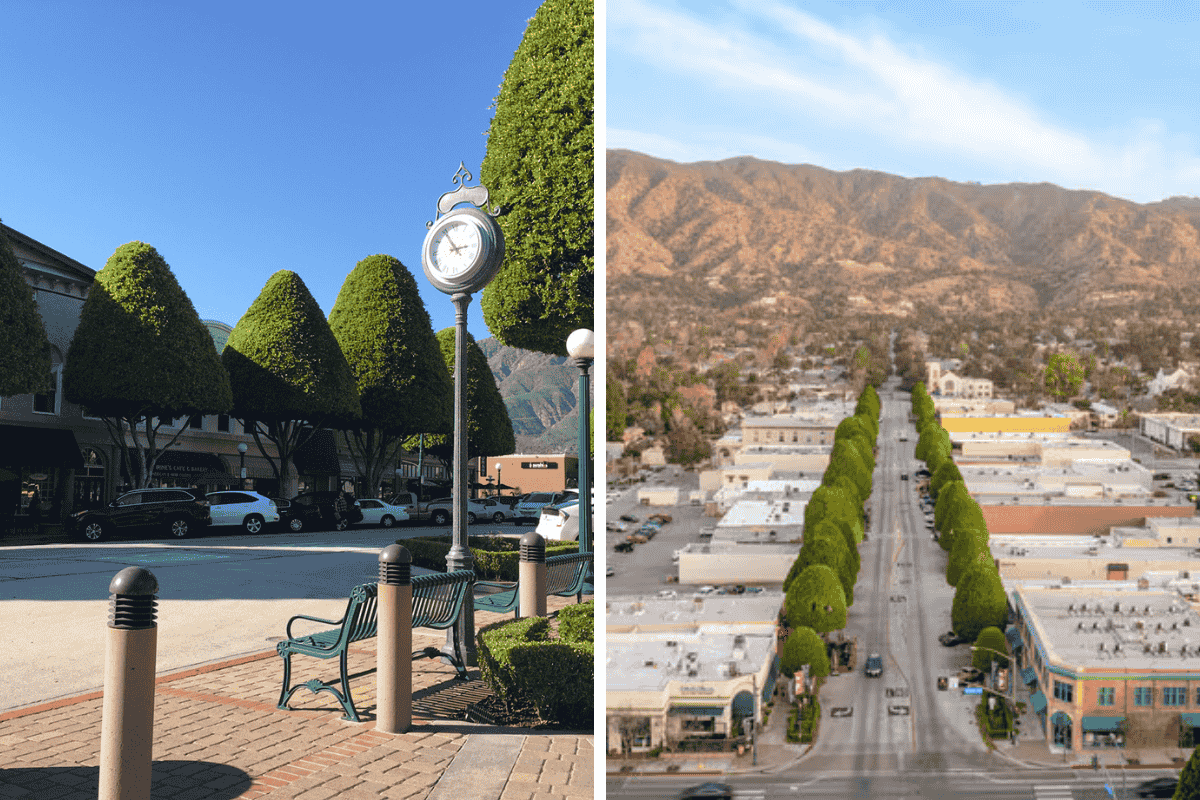
Glendora, a tiny village in Tallahatchie County, Mississippi, holds the grim title of the state’s poorest town based on 2025 data. With a staggering 78.3% poverty rate and median household income of just $20,729, it exemplifies the Delta’s entrenched economic struggles.
Defining Poverty Metrics
Poverty rankings draw from U.S. Census American Community Survey data, measuring household income against federal thresholds (e.g., $15,060 for one person in 2025). Glendora tops lists for highest poverty percentage among Mississippi places, surpassing larger cities like Yazoo City (39.9%) or Clarksdale (40.7%). Its 2026 population sits at 134, mostly Black residents, with child poverty nearing 90% in prior reports.
Historical Context
Nestled in the Mississippi Delta—a flood-prone region long synonymous with poverty—Glendora’s woes trace to cotton decline, automation, and racial inequities post-Civil Rights era. Emmett Till’s 1955 murder here spotlighted injustice, but economic stagnation persists amid factory closures and outmigration. Median income lags 70% below state averages ($52,985 statewide).
Demographics and Daily Life
Over 78% live below poverty, with families at $21,042 median—barely covering basics in a high-cost rural area. Unemployment hovers high; limited jobs mean commuting to distant fields or services. Young median age (29.7 years) reflects youth exodus, leaving 68.9% female households strained by single parenting. Basic infrastructure like roads and healthcare lags, exacerbating isolation.
| Metric | Glendora | Mississippi Avg | U.S. Avg |
|---|---|---|---|
| Poverty Rate | 78.3% | 19.1% | 11.5% |
| Median Income | $20,729 | $52,985 | $75,149 |
| Population (2026) | 134 | N/A | N/A |
| Child Poverty | ~90% | 27.4% | 16.0% |
Economic Drivers
Agriculture dominates but mechanization slashed farm jobs; no major industries fill the gap. Food insecurity affects most households, relying on pantries amid 33.4% county poverty. Education suffers—only 18% adults with high school diplomas per older data—perpetuating cycles. Federal aid like SNAP helps, but transportation barriers limit access.
Challenges Faced
Residents grapple with no local grocery stores, forcing 30-mile drives; health clinics are sparse, worsening outcomes like diabetes rates double the national average in the Delta. Crime stems from desperation, though community ties endure via churches. Floods and poor infrastructure compound vulnerabilities.
Signs of Hope
Nonprofits like Partners in Development target Glendora for aid, focusing microloans and skills training. State initiatives boost broadband for remote work, while tourism around Till sites brings minor revenue. Population decline (-1.47% annually) signals urgency, but grants for infrastructure offer paths forward.
Broader Delta Picture
Glendora mirrors neighbors like Hollandale (36.7% poverty) in Sharkey County (33.6%), where systemic issues persist despite casinos elsewhere. Mississippi’s 19.1% state poverty underscores the need for investment in education, jobs, and equity. For context, RoadSnacks ranks larger poor cities like Yazoo City #1, but tiny Glendora’s extremes claim the per capita crown.
SOURCES:
- https://www.facebook.com/mississippitelevision/posts/glendora-a-tiny-village-in-tallahatchie-county-was-officially-labeled-the-poores/806031182484271/
- https://www.roadsnacks.net/poorest-places-in-mississippi/