
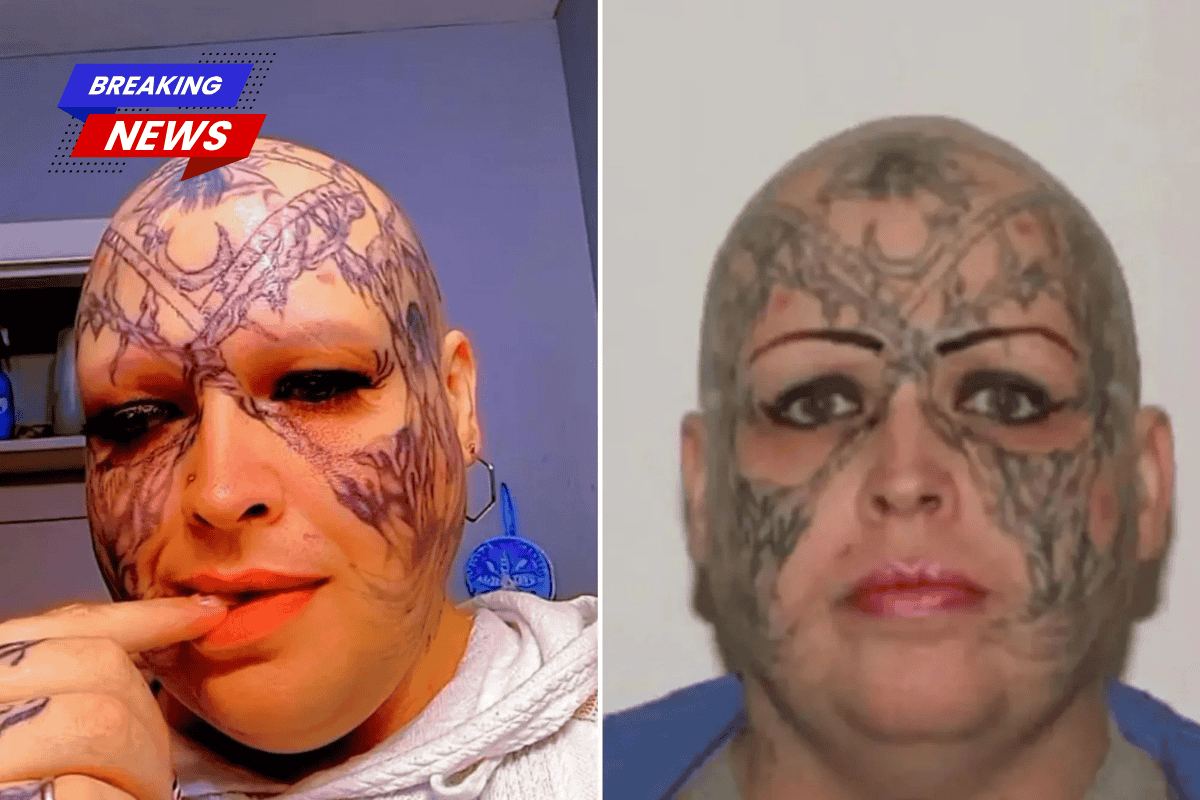
A controversial case from Indiana has drawn public attention after a convicted killer was released earlier than expected, raising questions about notification procedures and public safety.
Background of the Case
Autumn Cordellioné was convicted in 2002 for the murder of infant Faith Lee in Evansville.
At the time, Cordellioné—then known as Jonathan Richardson—was 19 years old and had been babysitting the child at home. Authorities said the infant was strangled during that time.
The court sentenced Cordellioné to 55 years in prison.
Early Release Raises Questions
Despite the long sentence, Cordellioné has now been released after serving less than half of the term.
Reports suggest that local authorities were not informed about the release in advance. The situation came to light only after a member of the public recognised Cordellioné and reported it to police.
This has raised concerns about communication between correctional facilities and local law enforcement.
Legal and Public Attention
In recent years, Cordellioné has been involved in several legal actions. After being diagnosed with gender dysphoria, she transitioned in 2020.
She later filed a lawsuit against Donald Trump, claiming discriminatory remarks, and also took legal action against the Indiana Department of Corrections over policies related to gender-transition procedures.
These cases brought renewed public attention to her situation even before her release.
Reaction from Officials
The case has sparked criticism from officials, including Todd Rokita, who questioned aspects of the legal decisions and policies surrounding the case.
The lack of notification about the release has also become a point of concern for authorities and the public.
Statements After Release
Since leaving prison, Cordellioné has been active on social media, sharing thoughts about her past and time in custody.
In public statements, she has expressed regret for past actions but has also claimed innocence in the case, saying she did not commit the murder.
Ongoing Concerns
The situation continues to raise questions about early release decisions, communication between agencies, and how such cases are handled after inmates return to society.
Authorities may review procedures to ensure better coordination in the future.






