
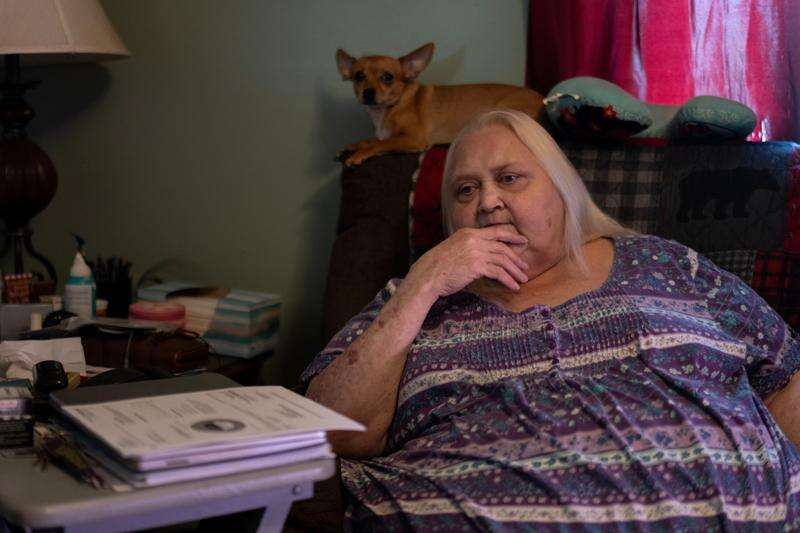
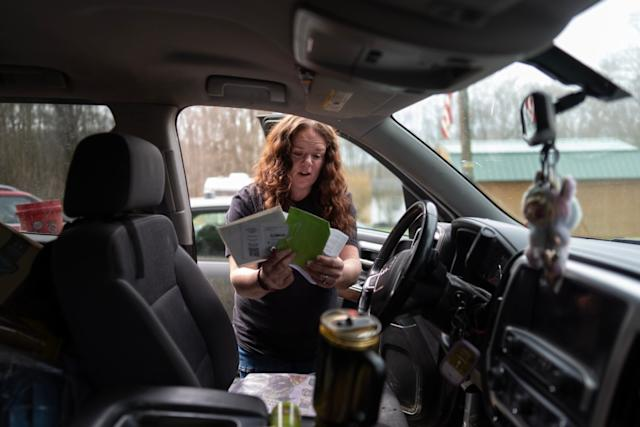
For people like Rebecca Michalski, opening an electricity bill has become a moment of dread. Living on a fixed income, she was shocked by a $940 February bill, more than her monthly check. Despite cutting back on usage, she continues to fall behind, even taking out a loan to avoid having her power shut off during extreme winter temperatures.
Across West Virginia, many residents are sharing similar experiences, with utility costs rising so high that they rival rent or mortgage payments in one of the country’s poorest regions.
Trump’s Promise on Energy Costs Falls Short
Donald Trump had pledged to significantly reduce electricity costs, promising bills could be cut in half within his first year or so in office. However, recent data shows the opposite trend, with electricity prices rising 4.8% and natural gas increasing 10.9% compared to the previous year. These increases have outpaced inflation, adding pressure on households already struggling with rising living costs.
What’s Driving the Price Surge
Several factors are contributing to higher utility bills, including extreme weather, increased demand, aging infrastructure and rising fuel costs. Global tensions, including conflict involving Iran, have also pushed energy prices higher. At the same time, growing demand from energy-intensive data centers and increased exports of liquefied natural gas are tightening domestic supply, adding further strain on prices.
Coal Dependence Keeps Costs High
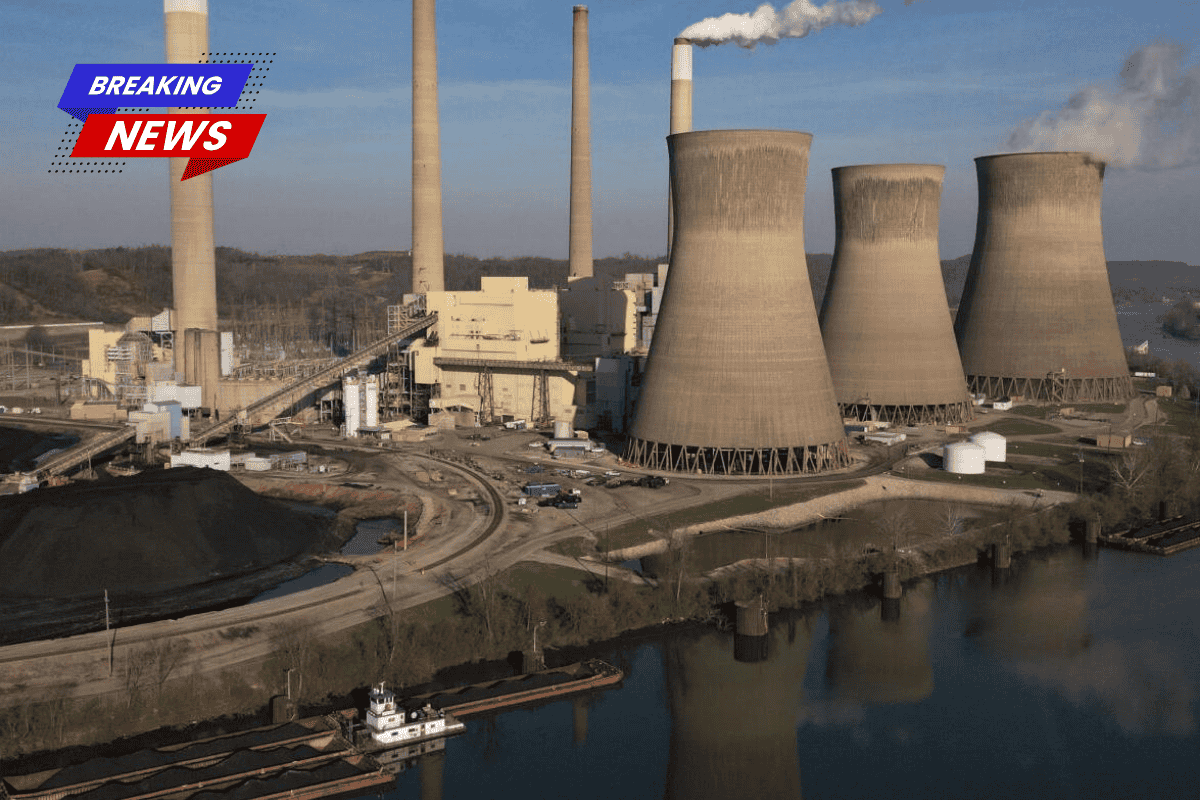
West Virginia remains heavily reliant on coal, with about 87% of its electricity coming from coal-fired plants. While the state is rich in natural resources, its resistance to shifting toward cheaper or cleaner energy sources has contributed to rising costs. Policies supporting coal, including efforts by the Trump administration to keep plants open and expand mining, have not translated into lower bills for residents.
Income Struggles Worsen the Burden
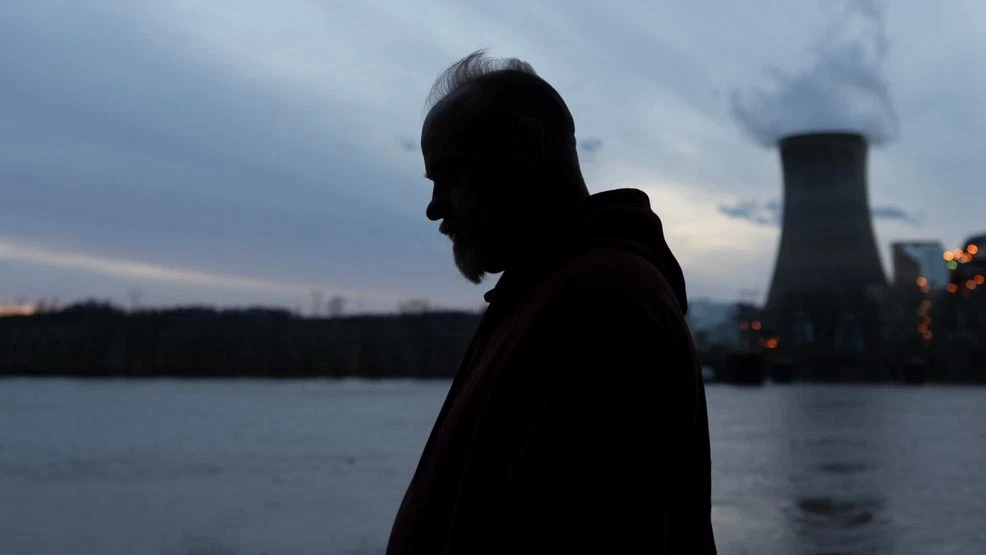
Although electricity costs may be higher in other states, West Virginia’s lower incomes make the burden heavier. Many households are spending a larger share of their income on utilities, with some paying thousands of dollars annually. Residents like Michalski have had to rely on family support or savings just to keep the lights on, with some fearing imminent shut-offs.
Growing Frustration and Political Fallout
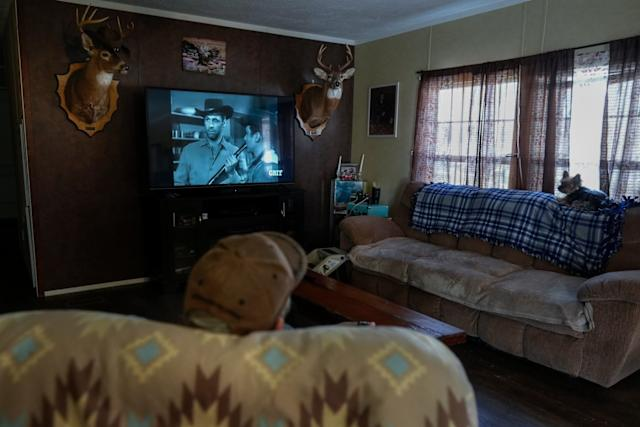
Rising utility bills are becoming a political issue, with voters expressing anger and confusion over the lack of relief. Some who previously supported Trump say they feel let down, while others believe neither political party is addressing the problem. Calls for solutions, including rate freezes and financial assistance, have largely stalled at the state level.
Businesses and Families Feel the Impact
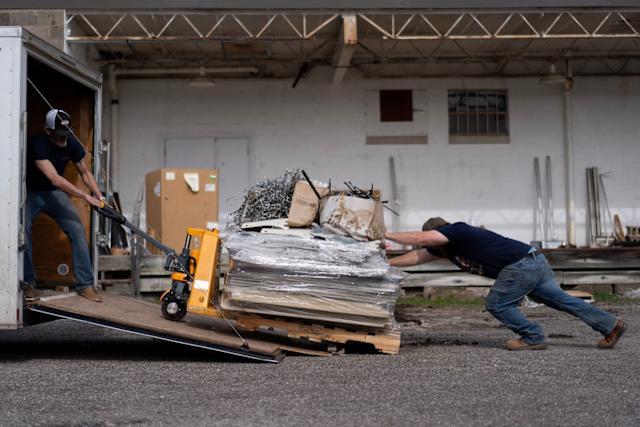
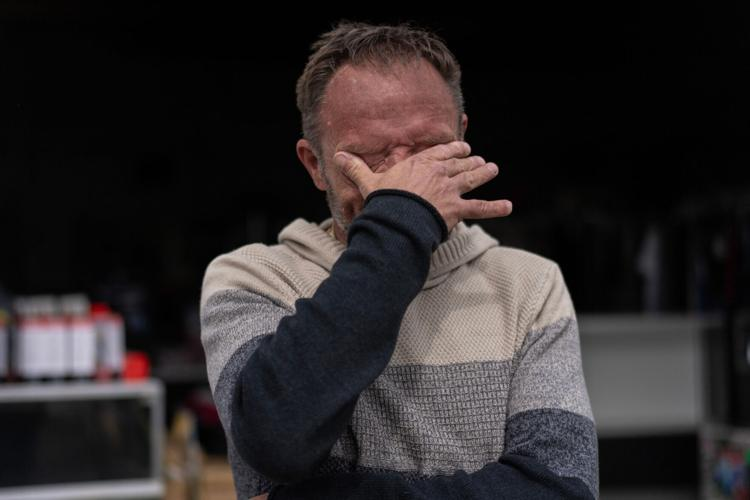
The crisis is affecting not just households but also small businesses. Some shop owners have been forced to close after falling behind on electricity payments. Families report making difficult choices between paying for food, healthcare or utilities, while others are dipping into savings to cover basic needs.
A Deepening Affordability Crisis
With more rate hikes expected and millions of Americans facing similar challenges, energy affordability is emerging as a major national concern. In West Virginia, where economic struggles are already widespread, the rising cost of electricity is pushing many residents closer to financial breaking point.






