
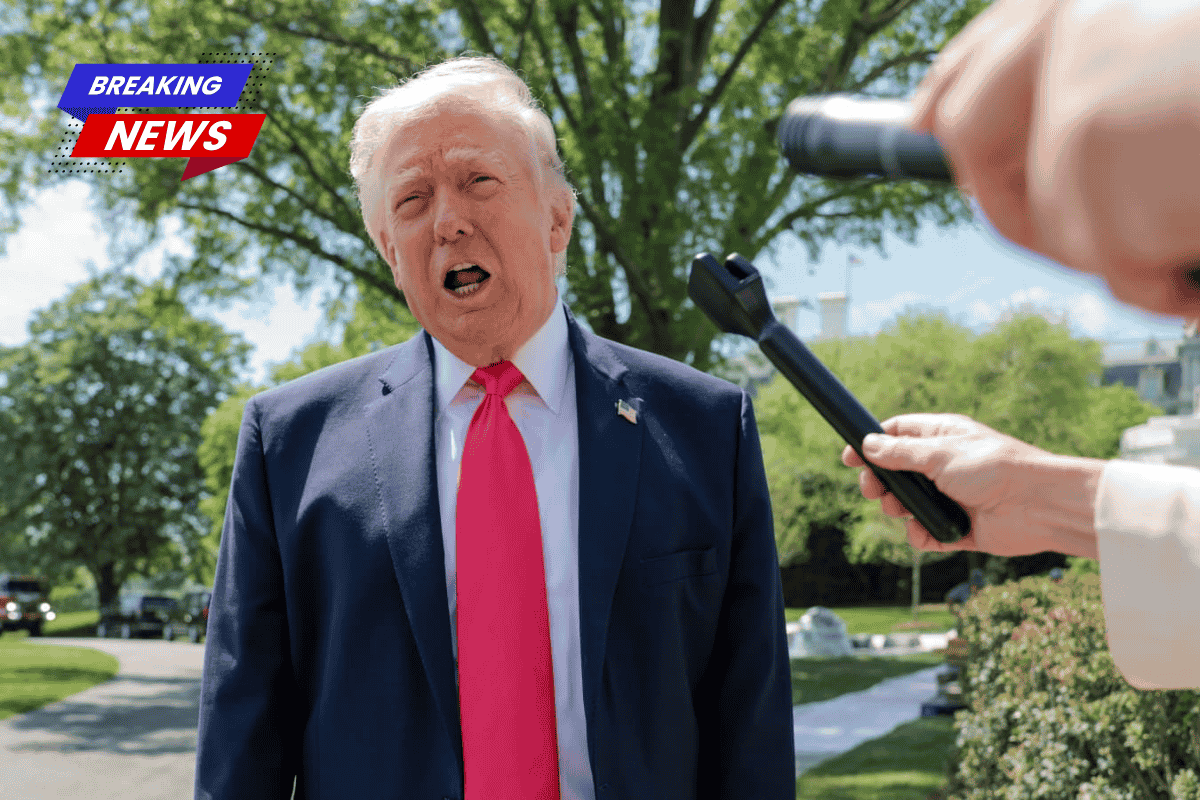
Gas prices in the United States have become a major topic of discussion as they continue to rise sharply in 2026. While many Americans are feeling the impact, political leaders are offering different views on the situation.
Trump Responds to Rising Gas Prices
Donald Trump addressed concerns about fuel costs, saying prices are not as high as expected despite the ongoing conflict involving Iran. He also claimed that prices have slightly dropped in recent days following a temporary ceasefire.
Trump defended his administration’s actions, stating that the war was necessary to prevent Iran from developing nuclear weapons. According to him, national security remains the top priority.
Sharp Increase in Fuel Prices
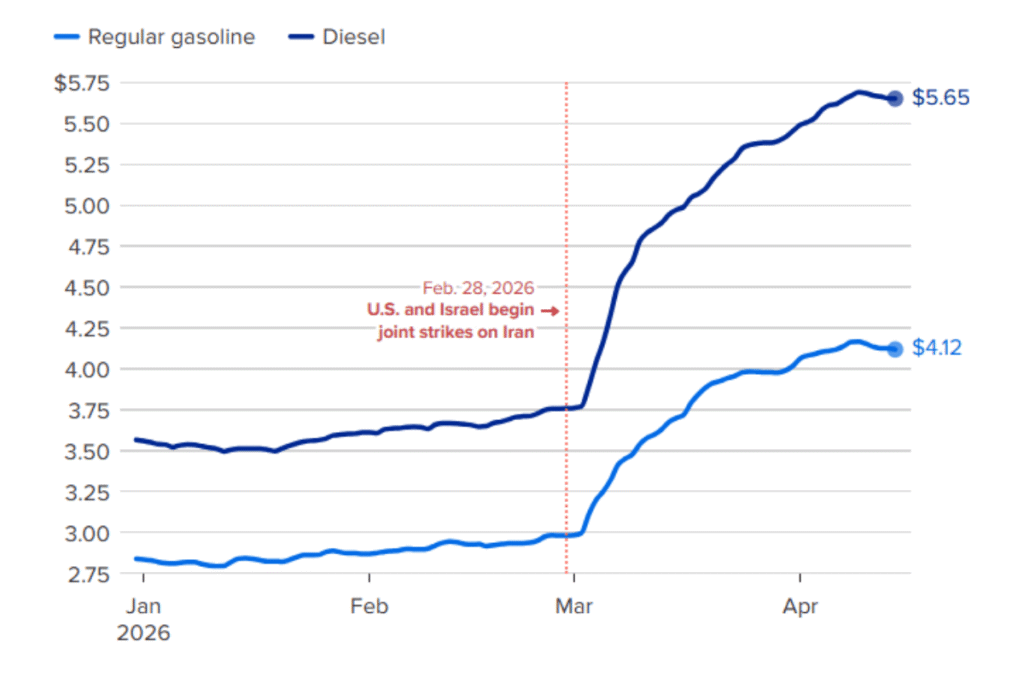
Data shows that gas prices have increased significantly this year. At the start of 2026, the average price of regular petrol was just above $2.75 per gallon. It has now risen to around $4.09 per gallon.
Diesel prices have also seen a big jump, going from about $3.50 per gallon earlier in the year to nearly $5.65 per gallon now. These increases have affected daily expenses for many Americans, especially those who depend on transportation for work.
Average price of a gallon of motor fuel in the U.S.
Public Opinion Turns Critical
A recent survey by Quinnipiac University shows that many voters are unhappy with the situation. Around 65% of respondents said they blame Trump at least partly for the rise in gas prices.
The same poll also revealed that only 38% of voters approve of how he is handling the economy. This matches the lowest approval rating recorded during his time in office.
Impact of the Iran Conflict
The rise in fuel prices is closely linked to the conflict involving Iran, which began earlier this year. The situation has disrupted global oil supply and increased uncertainty in energy markets.
Although there was a slight drop in prices after a ceasefire was announced, overall costs remain much higher than at the beginning of the year.
Economic Outlook and Government Position
Despite the criticism, Trump pointed to positive signs in the economy, such as a strong stock market. He argued that taking action against Iran was necessary, even if it had short-term economic effects.
The administration continues to maintain that its decisions are focused on long-term security and stability.






