
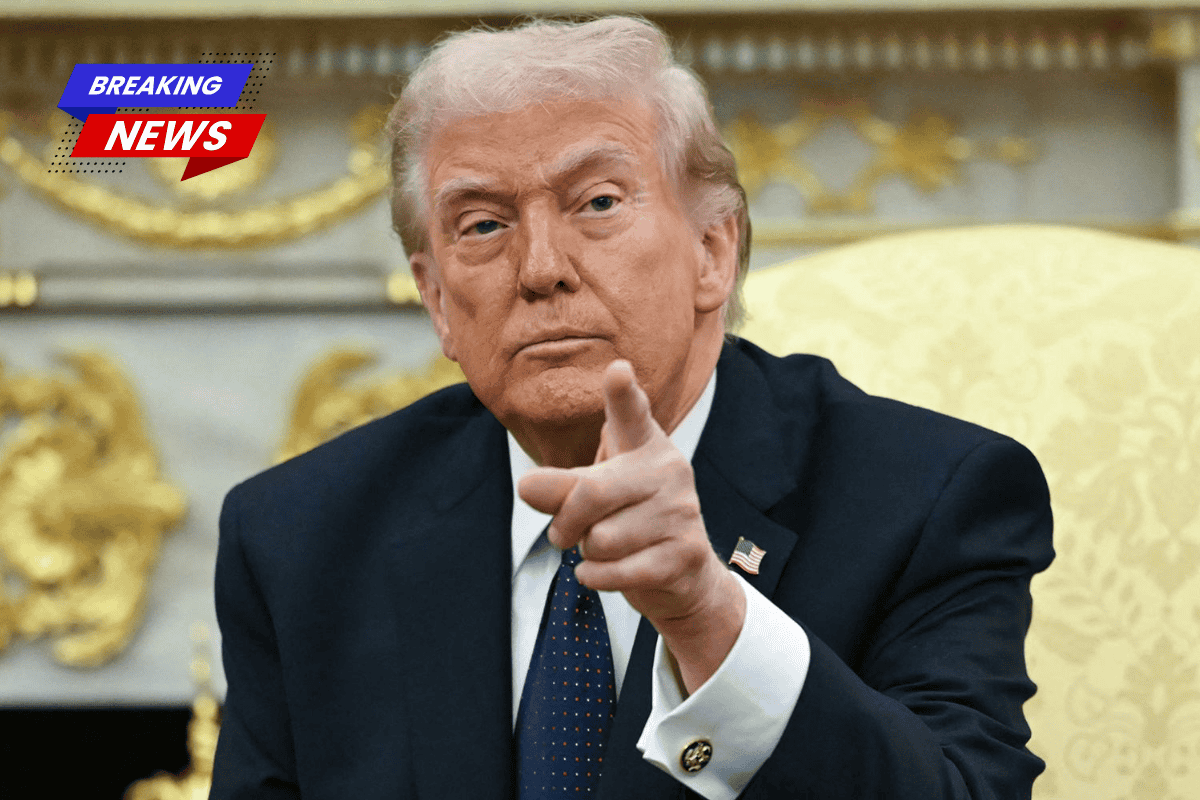
President Donald Trump has recently expressed his frustration with the U.S. Supreme Court, accusing conservative justices of being “disrespectful” after several rulings didn’t align with his preferences.
This frustration stems from a series of setbacks in legal battles, including the Learning Resources v. Trump case, which has become central to debates about the limits of presidential power and the role of the judiciary.
Trump’s Criticism of the Supreme Court
In a lengthy Truth Social post, President Trump criticized the Supreme Court for not giving him favorable rulings, specifically pointing to the conservative justices he appointed. According to Trump, these justices have failed to act in a unified manner like their Democratic counterparts.
He argued, “The Democrats on the Court always ‘stick together,’ no matter how strong a case is put before them. But Republicans do not do this. They openly disrespect the Presidents who nominate them to the highest position in the land…”
Trump’s remarks reflect a growing frustration with the court’s independence and its pushback against some of his executive actions. The comments also touch on Trump’s political expectations, where he believed his appointees would always rule in his favor.
The Tariff Case and Ongoin”g Legal Battles
One of the significant setbacks for Trump has been the Learning Resources v. Trump case, which centers around his tariff policies. While the Supreme Court refused to intervene, Trump’s post argued that he still retained the right to charge tariffs in a different form, which he presented as a success in the context of his broader policy agenda.
This case has become a symbol of Trump’s struggle with the judiciary, as it challenges the executive’s control over economic decisions.
Trump expressed that the tariffs were necessary to combat what he described as foreign disrespect toward the U.S. He stated that the money foreign nations owe the U.S. should be seen as a direct response to the nation’s decline, emphasizing his political slogan, “Make America Great Again.”
Political and Legal Consequences
Trump’s attacks on the Supreme Court and the broader judicial system have sparked reactions from political figures like Rep. Mark Levin, who labeled the president’s comments as “unhinged.” Levin noted that Trump’s expectations of loyalty from the justices may have influenced his frustration with the court’s decisions.
The remarks also signal a growing tension between the executive and judicial branches, with Trump’s rhetoric raising concerns about potential vigilantism or the undermining of legal principles that are designed to maintain the judiciary’s independence.
The Bigger Picture: Tensions Between the Branches of Government
The growing divide between Trump and the Supreme Court underscores the complex relationship between the executive and judicial branches in the U.S. Historically, presidents have faced challenges from the courts, but Trump’s open criticisms are a clear signal of how his administration’s policies have collided with judicial checks and balances.
Despite his legal setbacks, Trump has continued to shape his public persona through these conflicts, positioning himself as a defender of American strength and an opponent of judicial overreach. His comments on the Supreme Court reflect a broader frustration with the limitations placed on his presidential powers, as well as the ongoing battle to retain political influence.






