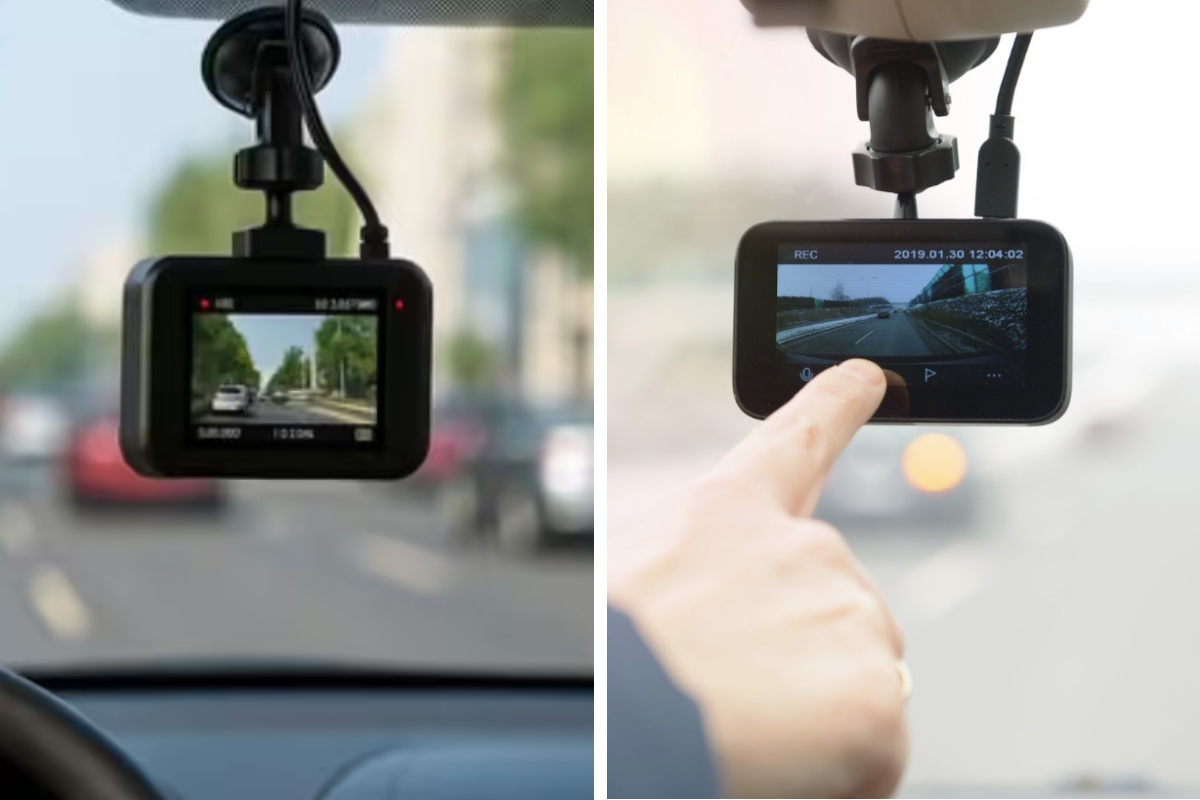
Dash cams are a popular tool for Arizona drivers, but using one correctly means knowing the state’s rules on placement, visibility, and recording. Arizona does not ban dash cams outright, yet it does restrict how and where they can be mounted and how audio can be captured.
Are Dash Cams Legal in Arizona?
Arizona allows private drivers to install and use dash cams in their vehicles, with no statute that specifically prohibits them. The key limits instead come from other laws: windshield‑obstruction rules and privacy restrictions on recordings. This means you can record your drives and use the footage for insurance or court, as long as the camera is mounted safely and the recordings comply with the law.
Mounting and Windshield Placement Rules
Arizona’s main rule is A.R.S. 28–959.01, which says that nothing on the windshield or windows can obstruct or reduce the driver’s clear view. This applies to any material attached to the windshield, including a dash cam.
The statute allows small items in two windshield zones:
- A 7‑inch square in the lower corner of the windshield farthest from the driver.
- A 5‑inch square in the lower corner closest to the driver.
In addition, “safety monitoring equipment and driver feedback” is exempt if mounted either immediately behind, slightly above, or slightly below the rearview mirror, or in the spot where the mirror would normally sit. Many drivers mount dash cams in this rearview‑mirror area because it keeps the lens out of the way of direct line‑of‑sight while still capturing the road.
Audio Recording and One‑Party Consent
Arizona is a one‑party consent state for audio recordings, meaning you can legally record conversations if at least one participant (usually you, the driver) consents. This makes dash‑cam audio generally acceptable in most ordinary driving situations, as long as you are part of the conversation.
However, secretly recording someone in a private setting where they have a reasonable expectation of privacy can trigger privacy laws, including Arizona’s statute on surreptitious photographing or video recording. For dash cams, that mainly matters off‑public‑roads or in sensitive areas, so it is wise to avoid recording in purely private spaces without consent.
Dash Cam Footage in Court and Insurance
In Arizona, dash‑cam video from public roads is often admissible in court if it is relevant, authentic, and legally obtained. Courts want to see intact footage that has not been edited and that clearly shows the incident. Audio recordings must also comply with the state’s one‑party consent rule to be treated as valid evidence.
Because dash cams capture everything—not just the other driver’s mistakes—footage can sometimes include your own errors, like speeding or distracted driving. It is wise to review clips with an attorney before sharing them broadly, so the footage supports rather than undermines your case or insurance claim.
SOURCES:
- https://arizonapersonalinjuryattorneys.net/arizona-dash-cam-laws/
- https://wesbrookslaw.com/personal-injury/the-role-of-dashcam-footage-in-arizona-personal-injury-cases