Dash cams are legal in Maine with no outright bans, but strict rules on mounting and privacy apply to ensure safe driving and legal recording. Key focus areas include windshield obstructions and audio consent, making compliance straightforward for most users.
Legality Overview
Maine permits dash cams in personal and commercial vehicles without permits, viewing them as tools for evidence in accidents or insurance claims. No state-specific prohibitions exist as of March 2026, though they must align with general vehicle codes like Title 29-A on operation and equipment. Footage admissibility in court is high if legally obtained, aiding liability disputes.
Mounting Requirements
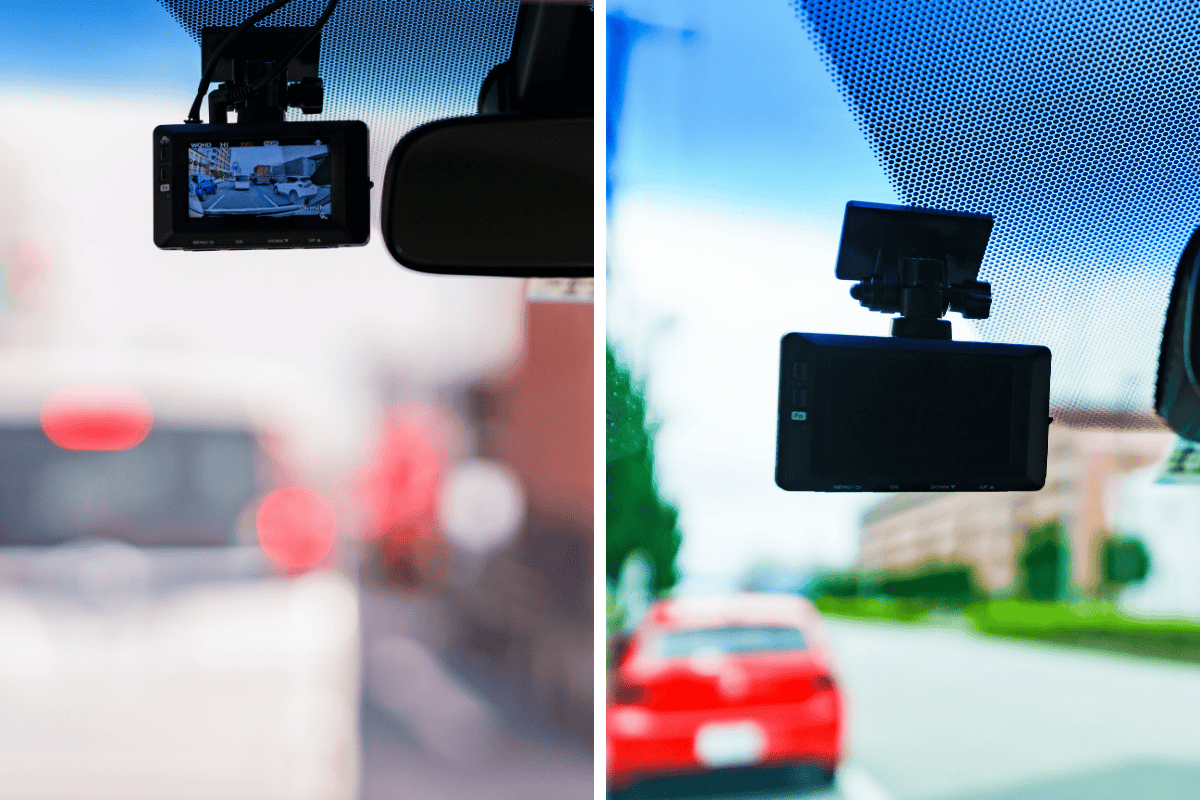
Dash cams can mount on windshields or dashboards but cannot obstruct the driver’s clear view of the road, mirrors, or traffic—per Title 29-A §1911 (windshield standards) and §1912 (obstructions). No exact size limits apply, but low-profile placement behind the rearview or on the dash avoids citations; windshield stickers or tint rules also factor in. Commercial trucks may claim “required equipment” exemptions for broader placement.
Audio Recording Rules
Maine follows single-party (one-party) consent: you can record audio if you’re part of the conversation (e.g., the driver), without notifying passengers. Video of public roads is unrestricted, but private property or interiors with privacy expectations (e.g., non-public talks) risk invasion claims—disable audio if unsure. Notify riders via signs for courtesy, especially fleets.
Privacy and Data Handling
Recordings in public spaces like highways are legal, but avoid targeting private areas without permission. No mandates for data deletion or sharing with police/insurers without warrants, though voluntary submission helps claims. Emerging concerns like vehicle telematics privacy (separate from dash cams) highlight data sales risks, but dash cams remain unregulated federally in Maine.
Commercial and Police Use
Fleets benefit from exemptions for “supplied equipment,” easing fleet-wide installs without per-vehicle checks. Police dash cams are mandated with body cam pairings, but private drivers face no such requirements. Insurance discounts (up to 10-20%) often reward voluntary use with proof of install.
Penalties for Violations
Obstruction citations under Title 29-A carry $50–$500 fines, plus points (2-4) impacting rates. Audio/privacy breaches could invoke civil suits or misdemeanor charges if egregious, though rare for dash cams. Safe practices like auto-overwrite and password protection minimize risks.
Benefits and Tips
Dash cams capture hit-and-runs (40% resolution boost), reduce fraud claims, and protect against disputes. Opt for 4K models with G-sensors, loop recording (1-3 days retention), and cloud backups. Test mounts pre-drive; Maine’s weather demands weatherproofing. Consult DMV for updates, as no major 2026 changes noted.
SOURCES:
- https://matrackinc.com/dash-cam-laws-by-states/
- https://www.ddpai.com/blog/dash-cam-laws/