Dash cams are legal in Maryland and widely used by drivers to capture road incidents, but specific rules govern mounting, audio recording, and privacy to ensure safety and compliance. These regulations stem from vehicle code on windshield obstructions and strict wiretapping laws, balancing utility with public safety.
Mounting and Placement Rules
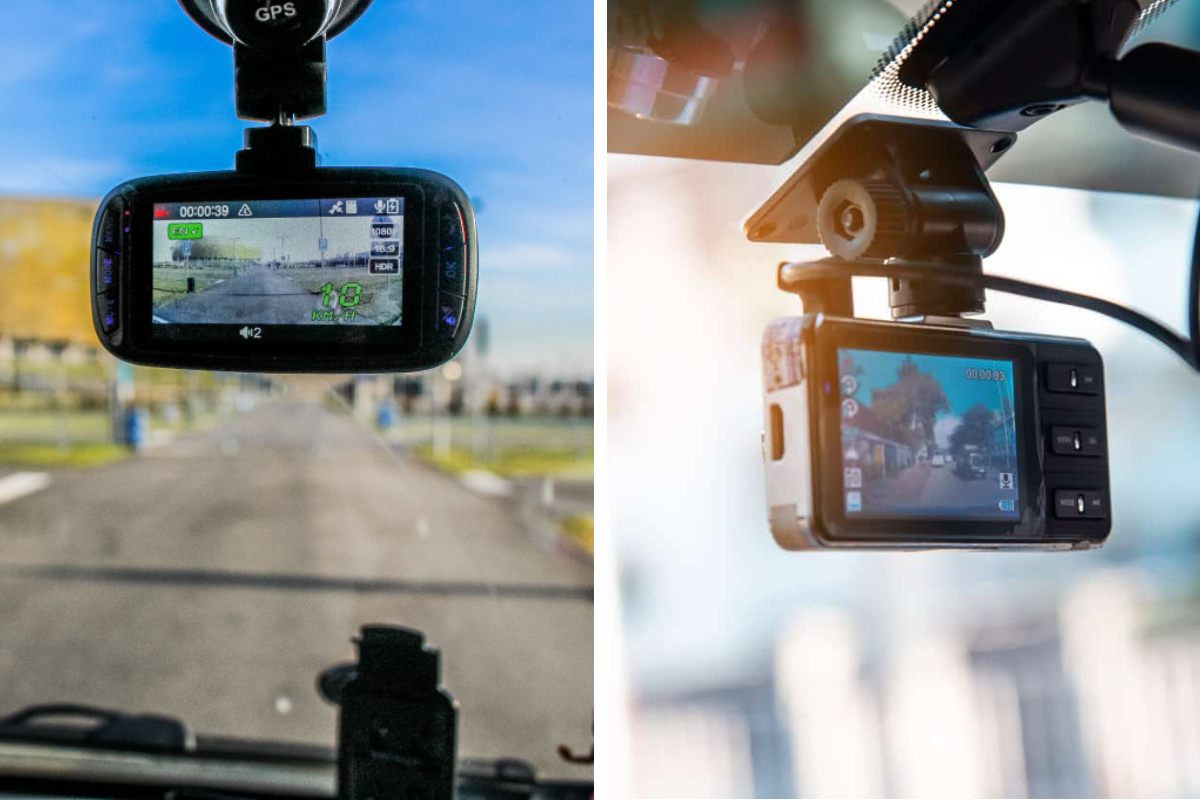
Maryland requires dash cams to be mounted without blocking the driver’s view, typically above the AS-1 line (a marking near the windshield’s top) or within five inches from the top edge. Allowed spots also include a seven-inch square in the bottom corner farthest from the driver or on the dashboard itself.
Devices cannot hang loosely or create glare, and tinting or nontransparent materials on the windshield must not interfere with the cam’s position. Rearview mirror mounts are common and compliant if they stay secure and unobtrusive. Violations can lead to a traffic stop and fines under vehicle equipment laws.
Audio Recording and Privacy
Maryland is an all-party consent state for audio under wiretapping laws (Md. Code Ann., Cts. & Jud. Proc. § 10-402), meaning everyone in the vehicle must agree to audio capture or you risk felony charges. Video alone is fine for public roads, but disable audio or notify passengers to stay legal.
Recording police during public interactions is permitted and protected, but secretly taping private conversations—even in your car—can result in civil suits or criminal penalties up to five years in prison. Many users opt for video-only modes for simplicity.
Using Footage Legally
Dash cam videos are admissible in Maryland courts for accidents or disputes if authenticated—proving they are unaltered and relevant—often via timestamps or device logs. Deleting footage after a crash can be seen as evidence tampering, a serious offense.
Insurers and police may request clips, and footage has helped resolve fault in wrecks. Retain videos for at least three years, matching the statute of limitations for injury claims. Police can seize cams with a warrant if linked to crimes.
Practical Tips for Compliance
Choose compact cams with suction or adhesive mounts near the mirror, test for obstructions before driving, and label files clearly for court use. Commercial vehicles like trucks may have exemptions for required equipment.
Regularly update firmware for reliability, and consider dual cams (front/rear) that meet the same rules. Local enforcement varies, so err toward minimal visibility.
Why Follow the Rules
Proper setup prevents tickets, preserves evidence value, and avoids privacy lawsuits, letting dash cams protect you without legal headaches. As usage grows, Maryland courts increasingly rely on clear, compliant footage for fair resolutions.
SOURCES:
- https://mocobizscene.com/us-news/understanding-dash-cam-regulations-in-maryland/
- https://www.freightwaves.com/checkpoint/dash-cam-laws-by-state/