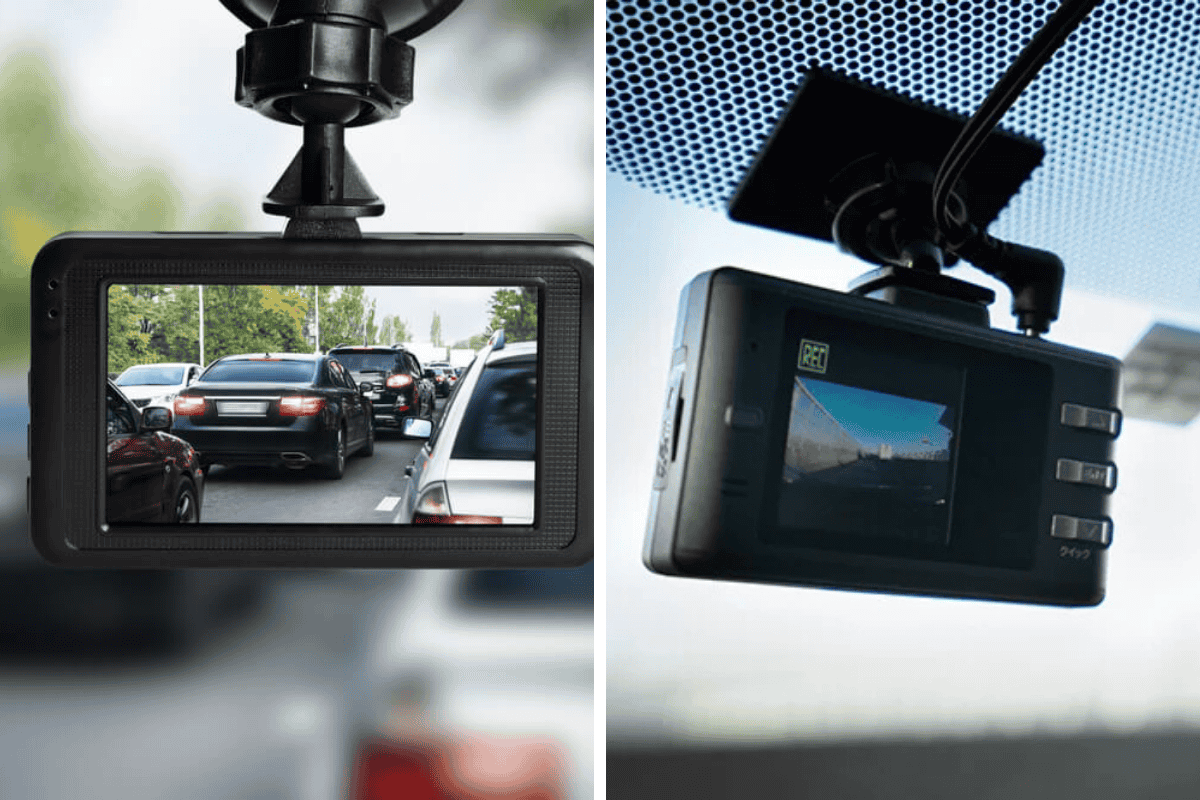
Dash cams are fully legal in Mississippi, with no statewide bans on their use or ownership. The primary regulation centers on placement to avoid obstructing the driver’s view, alongside one-party consent for audio recording. This guide details rules, best practices, and practical uses as of March 2026, helping drivers comply while maximizing benefits like accident evidence.
Legality Overview
Mississippi Code § 63-3-207 prohibits signs, posters, or materials on windshields/side/rear glass that impair visibility, but dash cams aren’t explicitly mentioned and are permitted if non-obstructive. Video recording in public roads is unrestricted, as no reasonable privacy expectation exists there. Footage admissibility in court requires proper authentication, but legally obtained clips routinely prove fault in disputes.
Mounting Requirements
Dash cams must not block the driver’s clear view through the windshield, side wings, or windows (§ 63-3-207). Dashboard mounting is recommended as safest, avoiding tint/windshield issues; suction cups on glass risk tickets if visibility suffers. Rearview mirror placement works if below eye level and non-reflective; no size limits specified, unlike states capping at 5-7 inches.
Audio Recording Rules
Mississippi follows one-party consent: legal if the driver (a party) agrees, per Miss. Code Ann. § 41-29-531(e). Notify passengers verbally or via signs (“Vehicle equipped with audio/video recording”) to build trust and preempt claims, though not required. Private property (e.g., driveways) raises eavesdropping risks; disable audio if unsure.
Privacy and Consent Details
Public interactions (traffic stops, accidents) allow unrestricted recording, including police—ACLU confirms rights absent interference. Vehicle interiors lack full privacy for passengers; courts uphold driver-initiated audio. For fleets/rideshares, written policies and notices mitigate lawsuits; tampering/deleting post-accident footage risks obstruction charges.
Commercial and Fleet Use
No special rules for trucks/buses beyond general visibility; FMCSA allows if non-distracting for interstate ops. Mississippi DPS body-cam policies (§ unspecified) mirror civilian use, treating footage as public record post-redaction. Insurers like State Farm offer discounts (5-15%) for verified dash cam programs.
Penalties for Violations
Obstruction tickets: $50-200 fine, 2 points (§ 63-3-207); repeaters risk suspension. Audio misuse (rare): misdemeanor up to $500/$1,000 if proven eavesdropping. Evidence exclusion if illegally mounted/recorded; civil suits possible for unwarranted privacy invasion.
Best Practices
- Test visibility: Sit in driver seat, ensure no blind spots.
- Use wide-angle (170°) 4K cams with G-sensors for loops/auto-save.
- Secure wiring to avoid dangling hazards.
- Export footage promptly (30-90 day overwrites common).
- For police encounters: State “recording for safety” calmly.
Insurance and Legal Benefits
Footage resolves 80%+ disputes faster, per IIHS; Mississippi courts admit unaltered clips routinely. Post-2025, no new bills (e.g., SB2616 unrelated) altered rules. Rideshare drivers (Uber) must disclose per app policy, aligning with state law.
Interstate Travel Notes
Mississippi borders one-party states (AR, AL, TN, LA), easing regional use; check all-party neighbors indirectly. Federal highways follow state rules at crossings.
SOURCES:
- https://www.ddpai.com/blog/dash-cam-laws/
- https://www.expertmarket.com/dash-cams/dash-cam-laws-by-state