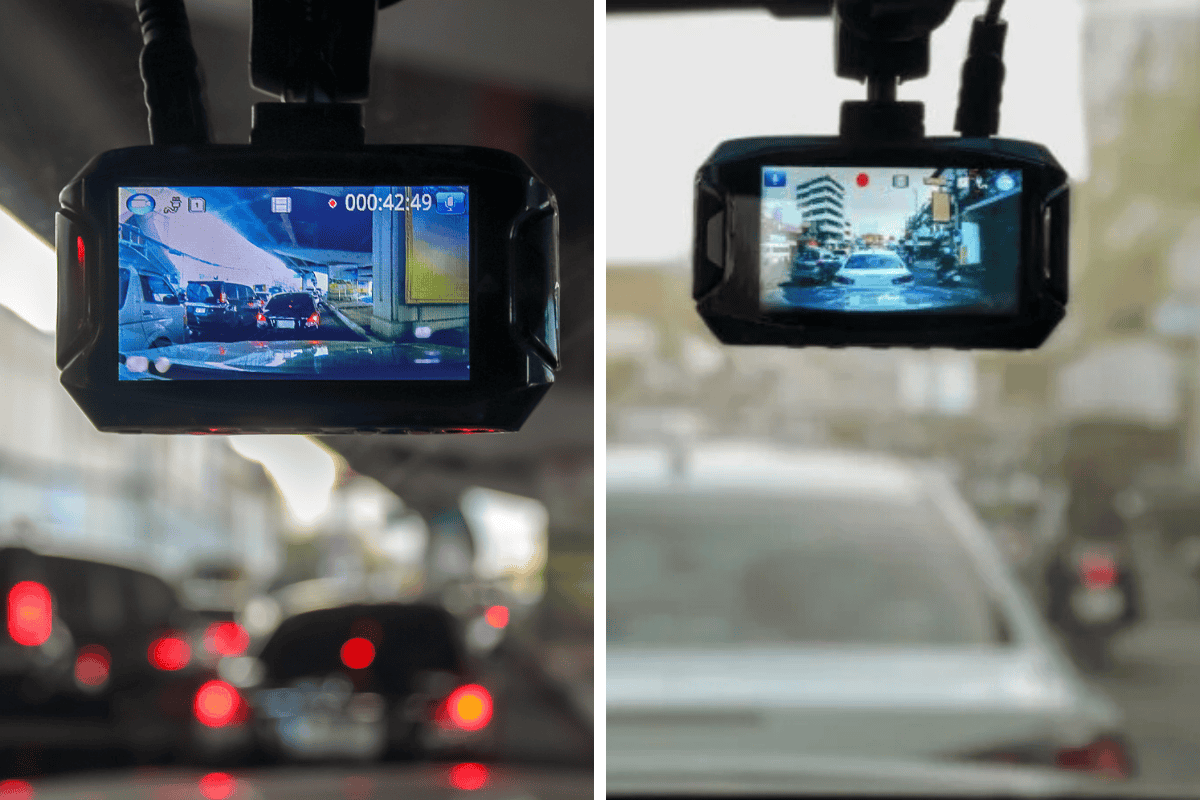
Dash cameras, or dash cams, are fully legal for use in Oklahoma, offering drivers valuable evidence for accidents, insurance claims, and disputes, provided they comply with state vehicle and privacy laws.
Governed primarily by Title 47 of the Oklahoma Statutes, particularly §47-12-404(C), regulations focus on safe installation to avoid obstructing the driver’s view rather than banning the devices outright. As of 2026, no major legislative changes have altered these rules, maintaining Oklahoma’s driver-friendly stance on in-car recording technology.
Mounting and Placement Rules
Oklahoma strictly prohibits mounting dash cams directly on the windshield if they block or impair the driver’s unobstructed view of the road or intersections. §47-12-404(C) bans any “sign, poster, or other nontransparent material” on the front windshield, side wings, or windows that hinders visibility, extending to camera housings or suction cups.
Legal alternatives include dashboard placement, rearview mirror mounts below the line of sight, or headliner attachments that do not protrude into the glass area.
Airbag interference is a practical concern—avoid positions where deployment could launch the device as a projectile. No size limits exist, but courts may question footage admissibility from improperly installed cams, potentially providing probable cause for traffic stops. Recommended: Use adhesive or clip mounts on the dash for stability and compliance.
Audio Recording and Privacy Laws
Oklahoma operates under one-party consent for audio recordings, meaning you can legally capture conversations in your vehicle without notifying passengers, as the vehicle owner provides consent. This applies to public roads but not private property without permission.
Video of public spaces (streets, intersections) faces no expectation of privacy, making dash cam footage highly admissible under Oklahoma Evidence Code §2401 for relevance in proving fault or violations.
Police dash cams, however, qualify as public records under the Open Records Act, accessible via formal requests to agencies like the Oklahoma Highway Patrol, often with redactions for sensitive content.
Use in Legal and Insurance Contexts
Dash cam evidence shines in personal injury claims, corroborating witness statements, disproving false narratives, or revealing distracted driving. Courts admit footage if authenticated by the owner or installer, treating it like any relevant video under §2401—directly impacting accident reconstructions or traffic citations. Insurance companies increasingly offer discounts (up to 10-20%) for verified dash cam users, rewarding proactive safety.
Improper setup risks tickets for obstructed view (fines $100+), though rarely enforced solely on cams.
Benefits and Enforcement Trends
Beyond litigation, dash cams deter theft, provide parking surveillance (with motion detection), and promote accountability during police interactions. In 2025-2026, rising accident rates boosted adoption, with Tulsa and Oklahoma City courts citing footage in 30% more cases. No statewide mandates exist, but commercial fleets (trucks, taxis) often require them under DOT guidelines.
Practical Tips for Oklahoma Drivers
Select cams with loop recording, G-sensors, and GPS for comprehensive data. Test visibility post-install: Ensure no blind spots. Secure footage immediately after incidents via SD card export. For disputes, share unedited clips with insurers or attorneys promptly. Apps like Oklahoma DPS portals track public dash cam requests efficiently.
Local variations are minimal—state preemption covers most vehicles—but RVs or motorcycles follow similar visibility rules. Consult professionals for hardwiring to avoid warranty voids.
SOURCES:
- https://pdtulsalaw.com/blog/utilizing-dash-cam-footage-in-personal-injury-cases-in-oklahoma/
- https://gravesmclain.com/car-accidents/dashcam-evidence-oklahoma/