Dash cams are legal in Pennsylvania, but drivers must follow clear rules about where they can be mounted and whether audio recording is allowed. Violating these rules can lead to traffic citations or make footage inadmissible in court.
Dash cams are allowed, but mounting matters
Pennsylvania law prohibits any nontransparent material or object on the front windshield that materially obstructs, obscures, or impairs the driver’s view of the highway. The same restriction applies to items hung from the inside rearview mirror if they block vision or create a safety hazard.
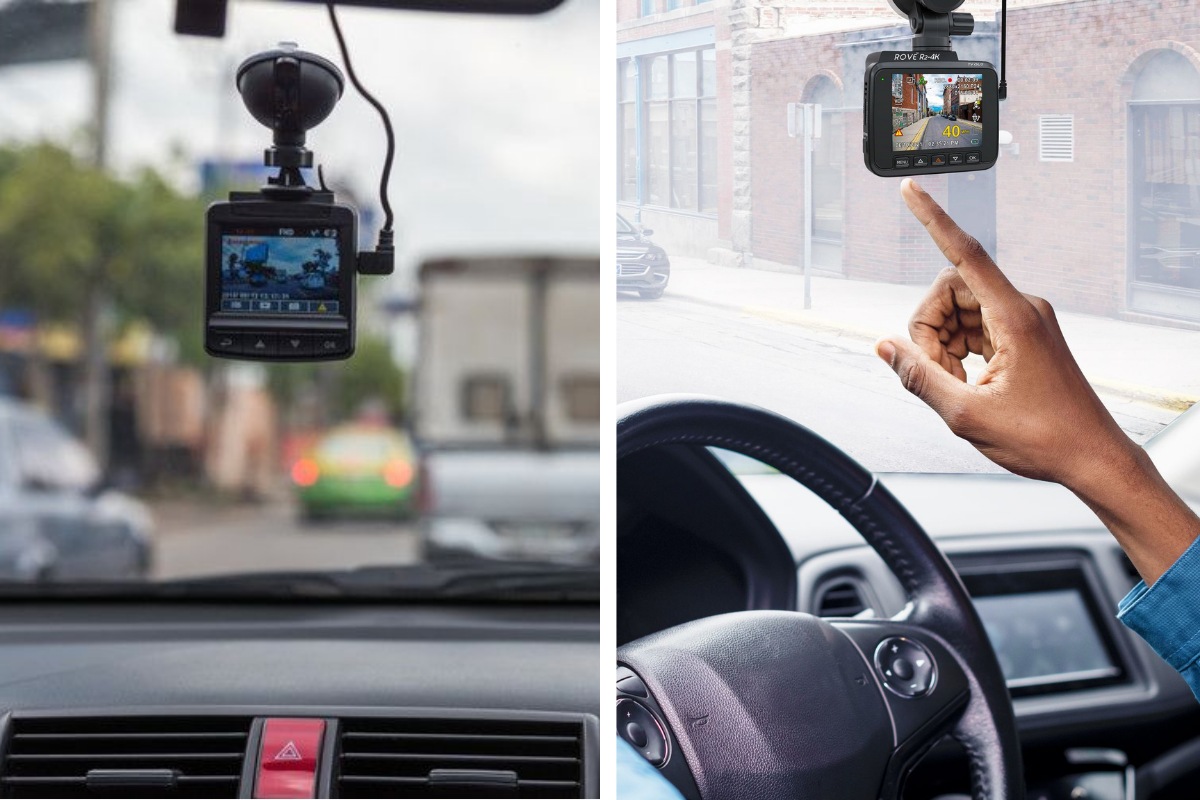
Because of this, mounting a dash cam high on the windshield or dangling it from the mirror is risky. The safest approach is to mount the camera low on the dashboard behind the rearview mirror, where it does not interfere with the driver’s line of sight. Front and rear cameras are both permitted as long as they do not obstruct vision.
Screens on dash cams must not distract the driver. Many legal guides recommend using models without screens, or with screens that automatically go to sleep while driving, to avoid distraction issues.
Audio recording is where Pennsylvania law gets strict
Pennsylvania is an all-party (two-party) consent state for audio recordings under 18 Pa.C.S. § 5703. This means you may record a conversation inside the vehicle only if every person in the conversation consents. If your dash cam records audio by default and passengers do not know they are being recorded, the recording can violate state law.
To stay compliant:
- Turn off the microphone on your dash cam if you cannot guarantee consent
- Clearly inform all passengers that audio is being recorded
- For commercial fleets, post a sign in the cab and verbally notify customers, employees, and contractors
Video recording of public roads is generally legal, since people on public streets have little expectation of privacy. However, recording on private property (like customer sites or delivery locations) without permission can be problematic, especially if people are unaware they’re being filmed.
Footage can help or hurt your case
Dash cam video is often powerful evidence in car accident claims. It can show speed, lane position, traffic signals, and the exact sequence of events. Insurance companies routinely use dash cam footage to determine fault.
But footage can also work against you. If the video shows you were at fault, it can weaken or destroy your claim. Courts may exclude audio that violates the two-party consent rule, but they may still admit the video portion if it captures events in public view.
After an accident:
- Immediately save the footage by removing the memory card or copying the file
- Store it in multiple locations so loop recording does not overwrite it
- Do not post the video online or show it to the other driver at the scene
- Share the footage with your attorney before giving it to insurance
Quick compliance checklist
- Mount the dash cam low on the dashboard, not high on the windshield or on the mirror
- Ensure the camera does not block your view or distract you
- Disable audio or obtain consent from all passengers before recording sound
- Get permission before recording on private property
- Preserve footage carefully after any crash and consult an attorney before releasing it
SOURCES:
- https://jjkellercompliancenetwork.com/regsense/dashboard-cameras-pennsylvania
- https://www.cooperschallandlevy.com/2024/01/29/the-role-of-dash-cams-in-car-accident-lawsuits/