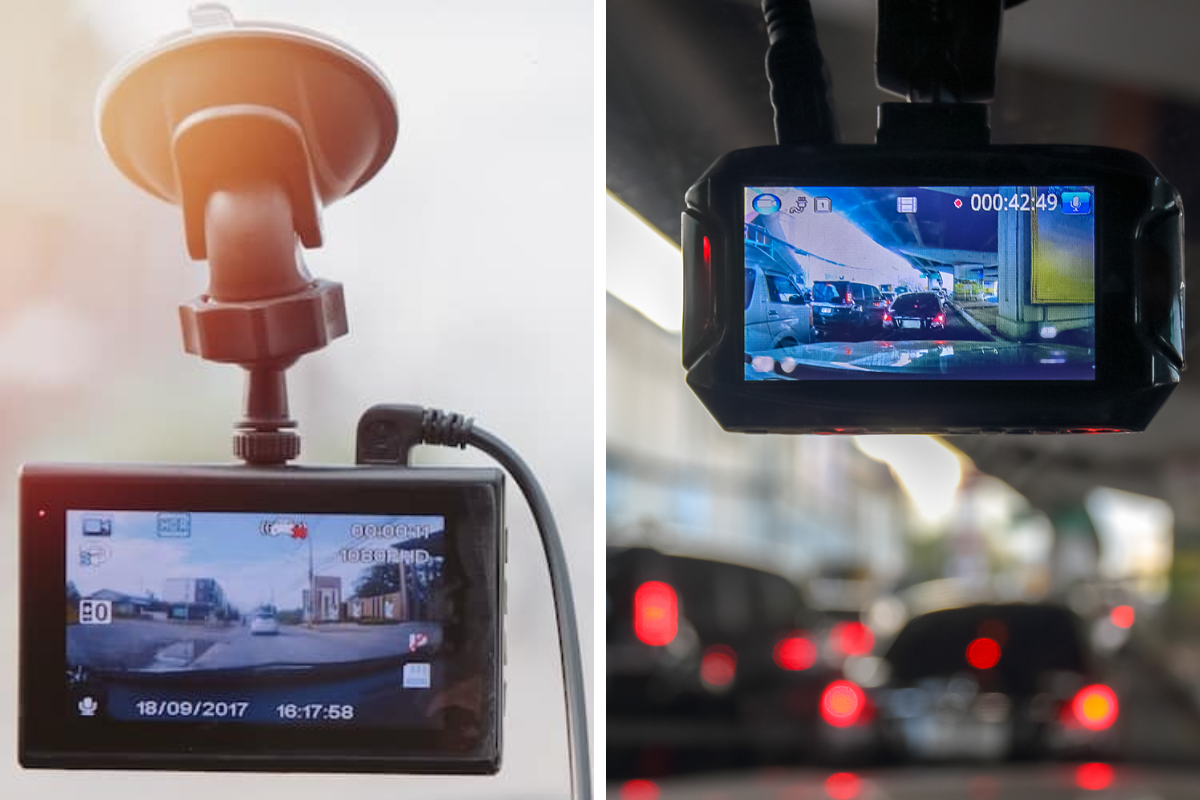
Dash cams are fully legal in Vermont, with no statewide ban on their use or installation, as long as they follow specific mounting rules to avoid obstructing the driver’s view.
These regulations primarily stem from Vermont’s statutes on windshield obstructions, which apply to any device, including dash cams. The focus is on safety and clear visibility while driving.
Mounting Requirements
Vermont law prohibits adhering materials or items to transparent parts of the windshield, vent windows, or side windows if they materially obstruct the driver’s view. Allowed placements include
- Lower right-hand corner of the windshield: Device no larger than 4 inches high and 12 inches long.
- Upper left-hand corner of the windshield: Device no larger than 2 inches high and 2.5 inches long.
- Dashboard or behind the rearview mirror: Safe alternatives that do not block vision.
Hanging items are okay only if they do not materially impair visibility. Officers can issue tickets for obstructions under 23 V.S.A. § 1128 if a dash cam violates these limits.
Audio and Video Recording Rules
Dash cams can record video in public spaces like roads, where there is no reasonable expectation of privacy. Vermont is a one-party consent state for audio recordings, meaning you can record conversations you are part of without notifying others.
However, recording on private property (e.g., driveways or customer sites) without permission could violate surveillance laws, though dash cams used incidentally for driving are unlikely to qualify as intentional surveillance.
Evidence and Privacy Considerations
Dash cam footage is admissible in Vermont courts as evidence for accidents, insurance claims, or criminal cases if recorded legally.
Privacy issues rarely arise for forward-facing cams on public roads, but rear-facing cams capturing passengers require caution—especially if minors are involved or if footage is shared publicly. No state law mandates disclosing dash cam use to passengers or others.
Commercial and Fleet Use
For commercial vehicles like trucks, the same mounting rules apply, and dash cams must not interfere with required inspections or safety standards.
Vermont does not have unique fleet regulations beyond general obstruction laws, but operators should ensure cams comply to avoid fines during DOT stops.
Tips for Compliance
To stay legal:
- Measure your dash cam before mounting to fit corner limits.
- Test visibility by ensuring no part of the cam blocks road views.
- Opt for suction-cup or adhesive mounts in approved spots.
- Check local ordinances in cities like Burlington for any extra rules, though none are statewide.
Following these guidelines keeps dash cams a valuable tool for Vermont drivers without legal risks.
SOURCES :
- https://www.expertmarket.com/dash-cams/dash-cam-laws-by-state
- https://www.ddpai.com/blog/dash-cam-laws/