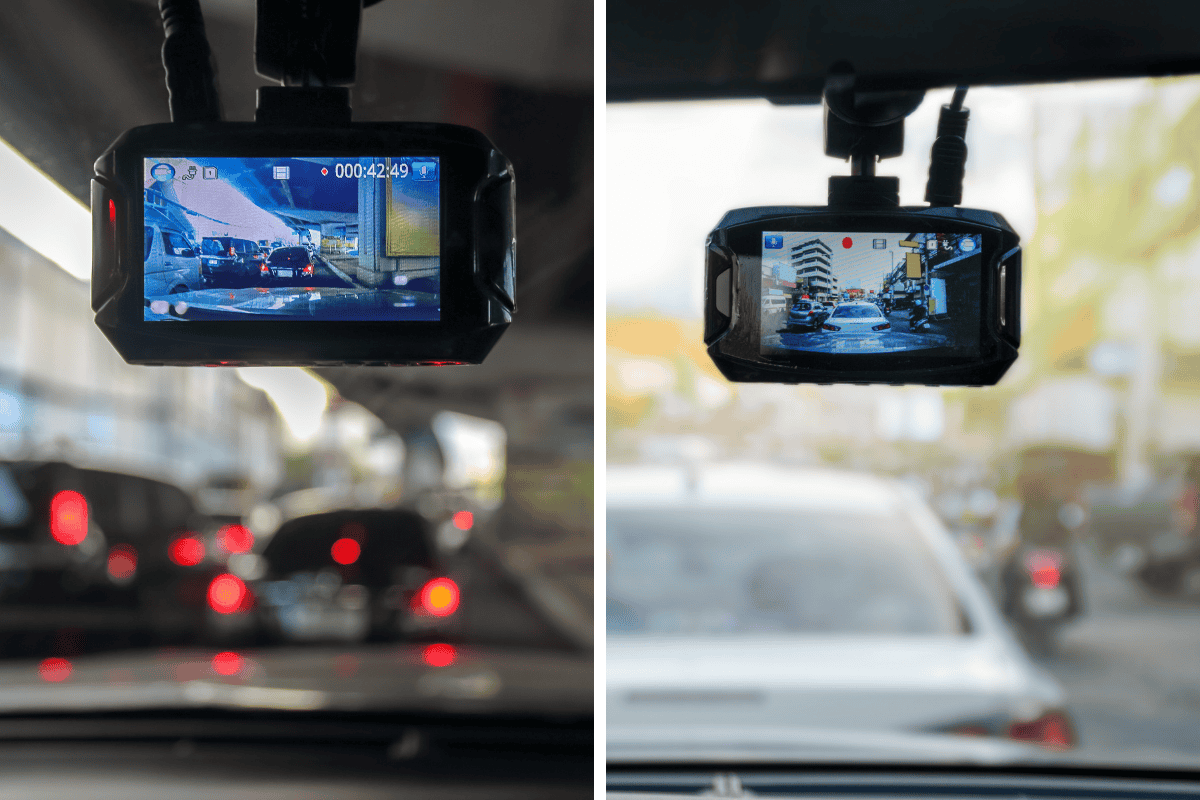
Dash cams are fully legal in West Virginia, with the primary rule being no obstruction of the driver’s view. State law focuses on safe placement rather than banning the devices outright.
Core Legal Requirements
West Virginia Code § 17C-15-36 prohibits any nontransparent material—like dash cams—on the front windshield, side wings, or windows that blocks the driver’s clear view of highways. Dashboard mounting is the safest and most recommended option to comply, as windshield installations risk tickets if they create blind spots.
No size limits or permits are required, and audio/video recording is unrestricted in public spaces (one-party consent state). Footage from public roads holds no privacy expectation, making it admissible in court or insurance claims.
Mounting Best Practices
- Windshield: Avoid entirely or place low near the dashboard edge; high/center positions violate obstruction rules.
- Dashboard: Ideal—keeps view clear and avoids legal issues.
- Rearview mirror: Possible if minimal obstruction, but test for blind spots.
Officers can cite under § 17C-15-36 (misdemeanor, fines ~$100+), with evidence suppressed if footage proves improper stop.
Audio and Privacy Rules
West Virginia is a one-party consent state for recordings (§ 62-1D-3), so you can record conversations/police interactions without notifying others. Disable audio for private settings if concerned, but public driving footage is protected.
No laws mandate disclosing dash cams to passengers or officers.
Comparison Across Mounts
Enforcement and Benefits
Tickets are rare for compliant setups—focus is safety amid WV’s winding roads. Dash cams aid in disputes, with footage often swaying insurers or courts. No red-light cam bans affect private use (§ 17C-6-7a).
As of 2026, no changes; rural areas enforce loosely. Secure devices against theft.
SOURCES:
- https://www.wvjusticelawyers.com/legal-advice/west-virginia-dashcam-laws/
- https://www.ddpai.com/blog/dash-cam-laws/