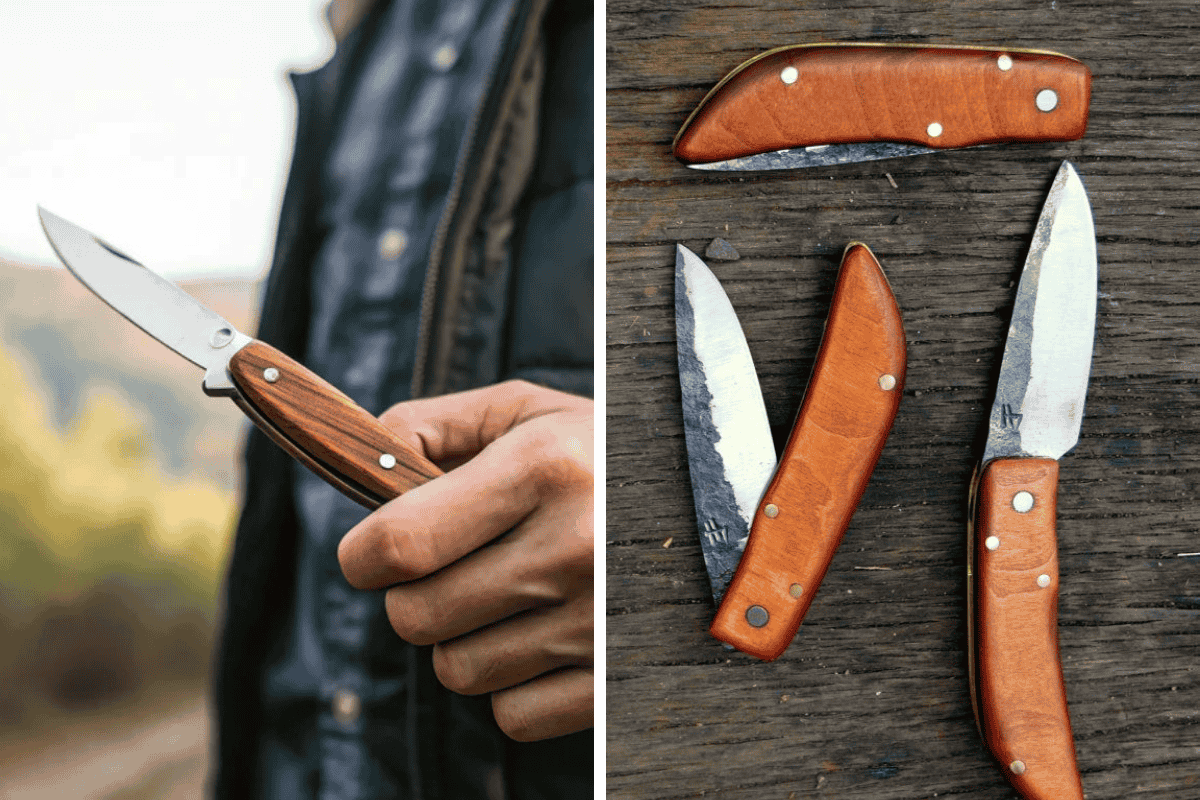
Connecticut maintains moderate restrictions on pocket knives, balancing public safety with practical use through blade length limits and type prohibitions under key statutes like C.G.S. § 53-206 and § 29-38. Everyday folders under 4 inches are generally legal for carry, but automatic knives and longer blades risk felony charges, making awareness essential for residents and visitors.
Key Statutes Governing Possession and Carry
C.G.S. § 53-206 prohibits carrying “dangerous weapons” including any knife with a blade over 4 inches or automatic knives (switchblades) exceeding 1.5 inches outside one’s home or business—a Class D felony punishable by 1-5 years imprisonment and up to $5,000 fines.
§ 29-38 mirrors this for vehicles, treating them as “ready to travel” offenses with identical penalties and narrow exceptions like transport for repair or moving households. Open or concealed carry distinctions do not apply; possession alone violates if specs exceed limits.
Allowed vs. Restricted Knife Types
Pocket knives like manual folders (e.g., Swiss Army, Leatherman) with blades ≤4 inches are legal statewide for everyday tasks—work, camping, or EDC. Switchblades ≤1.5 inches are permitted; longer ones are banned from carry.
Dirks, daggers, stilettos, and ballistic knives fall under “dangerous” categories per § 53a-3, though the Supreme Court in State v. DeCiccio (2014) protected dirks as Second Amendment “arms,” limiting restrictions. No statewide sales bans exist, but gravity knives may trigger scrutiny.
Carrying Rules and Exceptions
Non-prohibited pocket knives can be carried openly or concealed without permits, except in schools (§ 53a-217b, Class D felony) or courthouses. Exceptions include: merchandise transport to shows, repair trips, or moving personal effects; military/police use; and fishing/hunting contexts. No preemption law exists—cities like Hartford or New Haven may impose stricter blade limits (e.g., 2-3 inches), so check local codes.
Prohibited Locations and Scenarios
Schools K-12, events, and state buildings ban all “deadly weapons,” including legal pocket knives. Vehicles heighten risks under § 29-38. Intoxicated carry (§ 53-206d) adds misdemeanors. Self-defense justifies use under Castle Doctrine, but brandishing threatens assault charges.
Enforcement Realities and Defenses
Police discretion is broad—officers may arrest on “dangerous weapon” suspicion, even for borderline folders, leading to court suppression if challenged. Defenses: lawful purpose (e.g., toolbox), measurement disputes, or DeCiccio precedents. Juveniles face delinquency; adults risk records impacting jobs. 2026 updates unchanged post-Bruen expansions.
Practical Tips for Compliance
Measure blades tip-to-tip (edged portion). Stick to <3-inch folders for urban safety. Display openly if possible. For collectors: Home storage unrestricted. Hikers/fishers: Document purpose. Consult attorneys for edge cases; apps like AKTI track changes.
Why Connecticut Balances Restrictions
Northeast urban density drives caution, unlike permissive Southern states. Post-2014 rulings eased dirk bans, aligning with national trends protecting “bearable arms.” Stay informed—ignorance invites arrests despite tools’ utility.
SOURCES:
- https://www.akti.org/state-knife-laws/connecticut/
- https://www.connecticutcriminallawyerblog.com/why-carrying-a-pocketknife-in-connecticut-can-still-lead-to-criminal-charges/