Nevada maintains one of the most permissive legal frameworks for pocket knives in the U.S., allowing broad ownership and carry with few statewide restrictions. This article explores the key statutes, local variations, prohibited areas, penalties, and practical advice for compliance as of April 2026.
Statewide Knife Laws
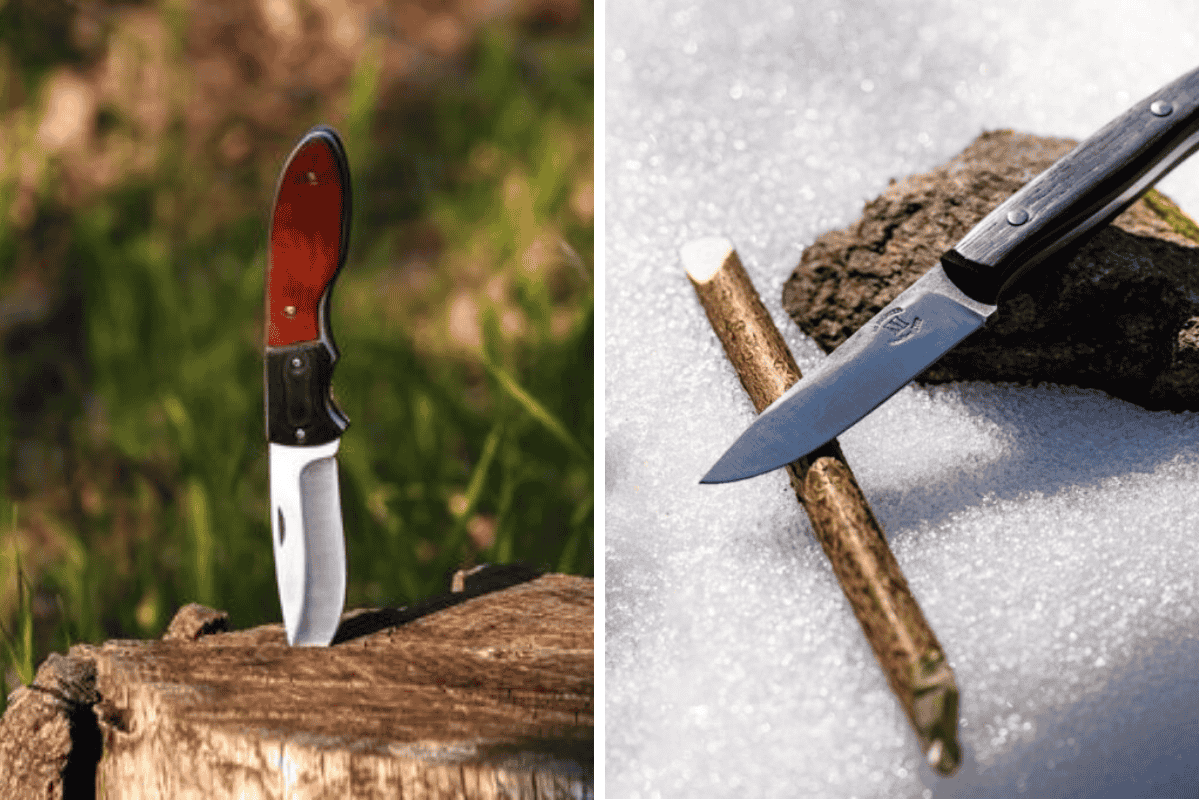
Nevada Revised Statutes (NRS) Chapter 202 governs weapons, including knives. All types of knives, including pocket knives (folding knives with blades under typical pocket sizes, often 2-4 inches), are legal to own, possess, and openly carry statewide without blade length limits or bans on specific styles post-2015 reforms.
Senate Bill 176, effective July 1, 2015, legalized switchblades (automatic pocket knives), dirks, daggers, and belt-buckle knives, removing prior restrictions on blades over 2 inches. NRS 202.350 prohibits concealed carry of machetes or “other dangerous or deadly weapons” without a permit, but does not define most pocket knives as such—leaving interpretation to courts or sheriffs.
Open carry of pocket knives is unrestricted in public, even large blades like bowie styles. Assisted-opening pocket knives remain legal, as they fall outside switchblade definitions.
Concealed Carry Rules
Concealed carry (e.g., pocket knife in a pocket or bag, hidden from view) is generally allowed for pocket knives statewide, except for machetes requiring a sheriff-issued CCW permit under NRS 202.350.
Local ordinances add layers: Unincorporated Clark County (including parts near Las Vegas) bans concealed knives with blades 3 inches or longer without written sheriff permission (Clark County Code 12.04.180). Violators face misdemeanor charges.
No statewide CCW is mandated for standard pocket knives, but contact your county sheriff for clarification on “dangerous” classifications. Reno and other areas have no noted stricter rules.
Prohibited Locations
Knives are banned on school property, childcare facilities, and public universities (NRS 202.265), including vehicles in parking areas. This covers dirks, daggers, switchblades, and switchblades over 2 inches; standard pocket knives may still trigger issues if deemed “dangerous.” Exceptions apply to law enforcement, security, or permitted personnel.
Government buildings, airports, and courts often prohibit all knives via posted rules. Brandishing any knife threateningly before two or more people violates NRS 202.320, a misdemeanor.
Trefoils (throwing stars) are restricted similarly on school grounds or with intent to harm.
Penalties for Violations
Most knife offenses are misdemeanors or gross misdemeanors:
| Offense | Penalty (First Offense) |
|---|---|
| Concealed 3+ inch blade in Clark County (no permit) | Misdemeanor: Up to 6 months jail, $1,000 fine |
| Knife on school/childcare property | Gross misdemeanor: Up to 364 days jail, $2,000 fine |
| Brandishing threateningly | Misdemeanor: Up to 6 months jail, $1,000 fine |
| Concealed machete (no CCW) | Gross misdemeanor (first): Up to 364 days jail, $2,000 fine; Felony (repeat): 1-4 years prison, $5,000 fine |
Felonies arise for repeats or if tied to other crimes (e.g., NRS 193.165 enhances sentences 1-20 years for deadly weapon use). Records can seal after 1-5 years.
Defenses include proving non-concealment, blade under limits, self-defense, or non-prohibited type.
Local Variations and Preemption
Nevada lacks statewide preemption, so cities/counties set rules. Clark County is strictest; Las Vegas (incorporated) follows county code but check postings. Reno: No major restrictions noted. Always verify with local sheriff—e.g., LVMPD at 702-828-3111.
Federal law overlays: TSA bans pocket knives in carry-ons; national parks follow state rules but restrict in buildings.
Historical Context and Reforms
Pre-2015, NRS 202.350 banned concealed switchblades over 2 inches and dirks/daggers. SB 176 liberalized this, aligning Nevada with pro-knife states amid Second Amendment arguments for edged tools.
Courts assess “deadly” status factually (e.g., steak knife not inherently deadly). No 2026 changes noted.
Practical Tips for Pocket Knife Owners
- Measure blades tip-to-hinge; keep under 3 inches for Clark concealed carry.
- Open carry visibly (belt sheath) to avoid issues.
- Avoid schools/airports; store securely in vehicles.
- For tourists: Las Vegas visitors often carry small folders legally openly.
- Seek sheriff permit if unsure; join groups like AKTI for updates.
Self-Defense and Related Laws
Pocket knives qualify for self-defense under NRS 200.200 (proportional force, no first aggressor). Brandishing legally in defense avoids NRS 202.320 charges. Assault/battery with knife (NRS 200.471/481) escalates to felonies if harm occurs.
SOURCES:
- https://www.shouselaw.com/nv/defense/laws/knife-laws/
- https://nobliecustomknives.com/us-knife-laws/nevada-knife-laws/