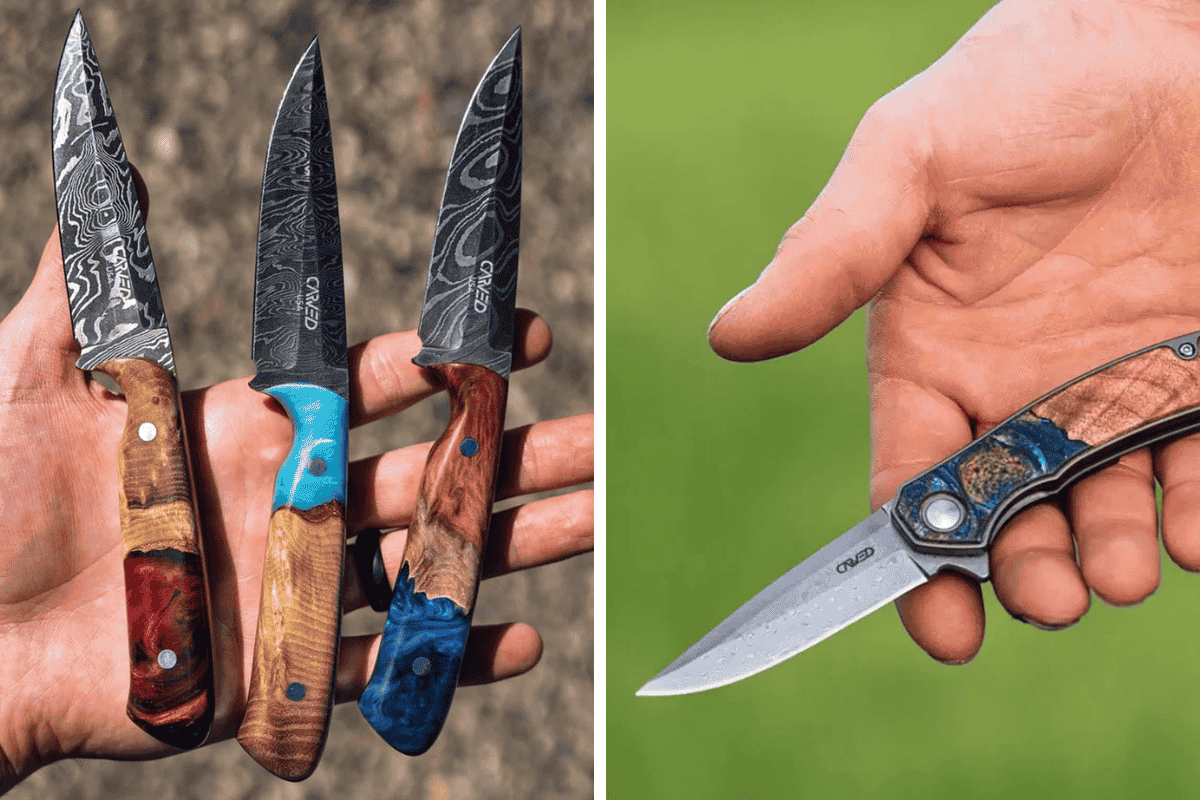
Utah maintains one of the most permissive knife laws in the U.S., allowing unrestricted ownership, open carry, and concealed carry of virtually all pocket knives for non-prohibited persons. Under Utah Code § 76-10-500 et seq., no specific knife types—such as folders, switchblades, automatics, balisongs, or gravity knives—are banned statewide, with legality hinging on intent rather than design.
As of 2026, no blade length limits apply, and the state preempts local ordinances, ensuring uniformity across Utah. This guide details carry rights, restrictions, and practical considerations for pocket knife users.
Ownership and Carry Rights
Any adult not classified as a “restricted person” (e.g., convicted felons per § 76-10-503, certain domestic violence offenders, or those with criminal intent under § 76-10-507) may legally own and carry pocket knives openly or concealed. Utah defines knives as “dangerous weapons” (§ 76-11-101) only when used or intended for unlawful harm—not by inherent characteristics like blade shape or opening mechanism.
A landmark 2014 Utah Supreme Court ruling in Salt Lake City v. Miles affirmed that even a 3.5-inch pocket knife qualifies as a tool for everyday use (e.g., camping), not automatically a weapon.
Open carry poses no issues on streets, parks, or vehicles. Concealed carry, including in pockets or sheaths, mirrors firearm permit reciprocity but requires no permit for knives. Disguised knives (e.g., belt buckle or necklace models) are explicitly legal absent criminal use.
Prohibited Locations and Situations
While broad rights exist, § 76-10-523 bans “dangerous weapons” (knives ≥2.5 inches) within 1,000 feet of K-12 schools, public or private—enforced strictly with Class B misdemeanor penalties (up to 6 months jail, $1,000 fine). Airports, courthouses, and secure government buildings prohibit via federal or facility rules. Private property owners dictate access; bars or businesses may post no-knife signs.
Vehicles allow secure storage (e.g., glovebox, trunk) without issue, even for concealed carry permittees. Intent governs: Brandishing during quarrels (§ 76-10-506) or fights elevates to Class A misdemeanor (up to 1 year jail, $2,500 fine).
Age Restrictions and Sales
No statewide minimum age for possession exists, but § 76-10-509.7 holds parents/guardians liable if knowingly allowing minors access to dangerous weapons. Retailers often enforce 18+ for sales, aligning with federal switchblade rules (interstate transport). Minors may carry small pocket knives for utility (e.g., Scouts) without issue unless school-proximate.
Common Pocket Knives and Legal Status
Multi-tools like Leatherman qualify as knives but face no extra scrutiny.
Enforcement Trends and Penalties
Utah’s pro-knife stance yields few standalone possession arrests—focus remains on misuse amid rising EDC culture in Salt Lake City and rural areas. Violations like school proximity or felon possession trigger felony enhancements (§ 76-10-503). First offenses often result in warnings; courts dismiss “dangerous weapon” claims without assaultive context.
Practical Tips for Utah Knife Owners
Mount on belts or pockets for quick access; use thumb studs legally. Disclose during police encounters calmly, emphasizing utility. Check federal lands (e.g., national parks ban blades >6 inches). Apps like Utah Carry Laws track updates. For travelers, pack in checked luggage interstate.
Local preemption shields against city bans (e.g., no Park City restrictions). Pair with Utah’s stand-your-ground laws (§ 76-2-402) for self-defense, but avoid escalation.
SOURCES:
- https://www.akti.org/state-knife-laws/utah/
- https://nobliecustomknives.com/us-knife-laws/utah-knife-laws/