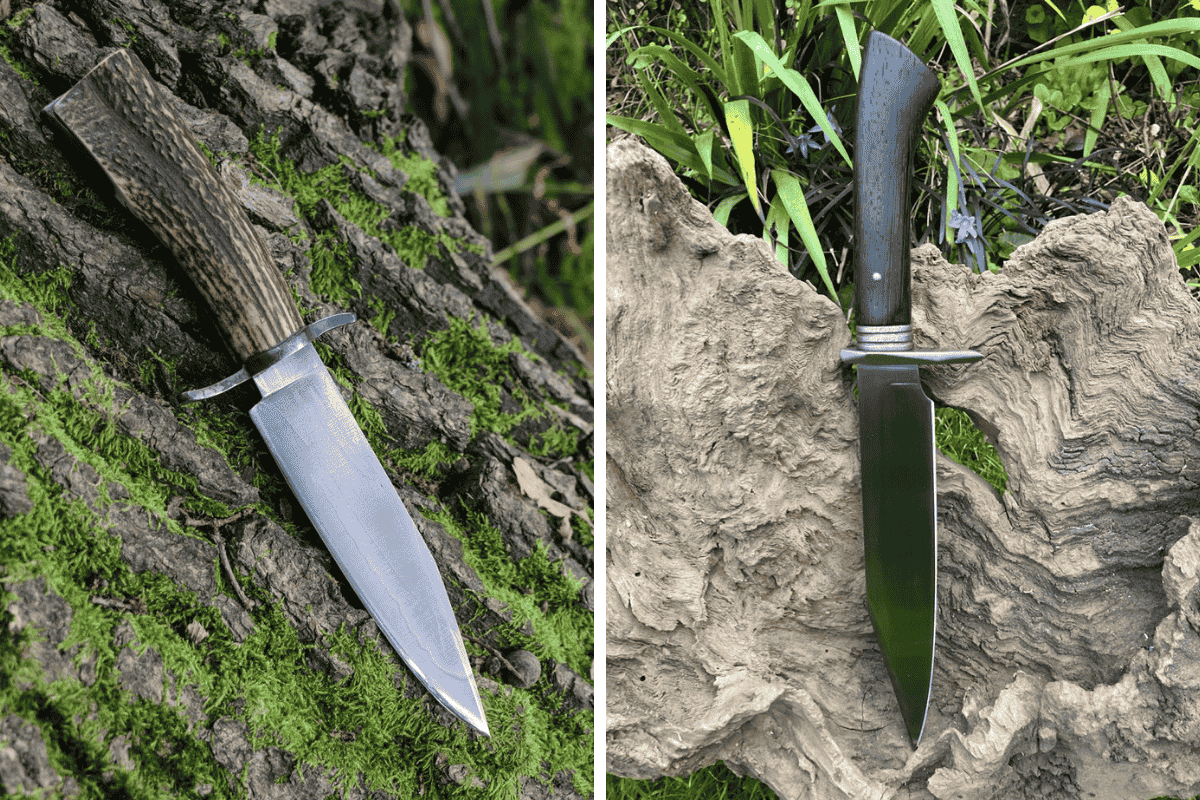
Colorado knife law gives you fairly broad rights to carry many knives, but those rights narrow fast when the blade is over 3.5 inches, the knife is carried concealed, or you are on school property. The safest summary is: legal knives are generally allowed to be openly carried, while concealed carry is limited and certain knives or locations can trigger serious penalties.
Colorado knife rules
Colorado law treats a “knife” as including daggers, dirks, knives, and stilettos with blades over 3.5 inches, plus other dangerous cutting or stabbing instruments, while excluding hunting or fishing knives carried for sports use in some contexts. Under the state rules, a non-ballistic knife with a blade at or under 3.5 inches is generally lawful to carry openly or concealed.
A concealed knife with a blade over 3.5 inches is generally unlawful outside limited exceptions such as your dwelling, your business, a private vehicle, or hunting and fishing situations.
Open carry vs concealed carry
Open carry is the more permissive option in Colorado because state law generally allows legal knives to be carried openly, including many larger blades. Concealed carry is where most problems arise, since Colorado’s concealed-weapon statute covers knives hidden from ordinary observation and applies the 3.5-inch limit.
A knife clipped to a pocket can still be treated as concealed depending on the facts, so relying on a visible clip alone is risky.
Knives that are banned
Ballistic knives are prohibited under Colorado law, and official materials describe them as illegal weapons. Some secondary sources also note that blackjacks are treated as prohibited weapons under the same statutory framework. Switchblades and gravity knives are not banned statewide the way ballistic knives are, but local rules can still matter in some cities.
Sensitive places
School property is one of the strictest areas. Colorado materials state that possessing a knife defined by the statute on school grounds, from kindergarten through university, can be a felony unless the knife remains in a locked vehicle or a narrow exception applies. That means even a knife that is normally lawful elsewhere can become a serious problem at a school, college, or seminary.
City rules
Colorado does not operate as a completely uniform knife state in practice because cities may have their own restrictions. The sources specifically flag Denver and Boulder as places with local knife ordinances, and other city-specific rules may affect automatic knives, open carry, or how a knife is displayed. Before carrying a knife in a city, the state rule is not enough by itself; local code matters too.
Penalties and risk
Penalties can be significant. Carrying a concealed knife in violation of Colorado law is commonly described as a misdemeanor, while ballistic knife possession and school-ground violations can rise to felony-level offenses. Because the classification depends on blade type, blade length, location, and whether the knife is concealed, a small mistake can create criminal exposure.
Practical guidance
If you want the safest everyday approach in Colorado, keep the knife at 3.5 inches or less if you plan to conceal it, avoid carrying any knife on school property, and check local city ordinances before open carrying a larger blade.
For hunting or fishing knives, keep evidence of the sporting purpose in case the issue is challenged, because that exception may function as an affirmative defense rather than an automatic shield. For travel, especially through Denver, Boulder, or near schools, a conservative carry choice is the best way to stay out of trouble.
SOURCES:
- https://www.akti.org/state-knife-laws/colorado/
- https://law.justia.com/codes/colorado/title-18/article-12/part-1/section-18-12-105/