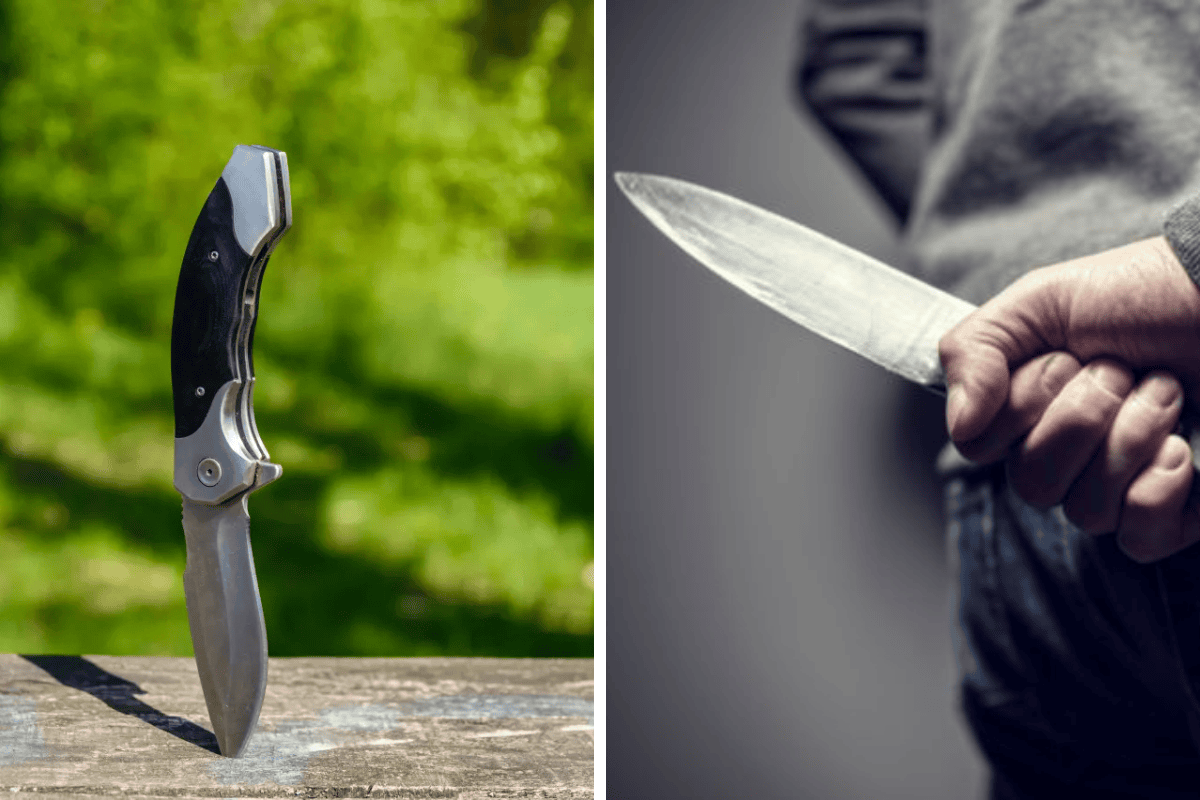
Minnesota knife laws are relatively permissive compared to many other states, allowing most types of knives for everyday use, self-defense, or recreation, as long as they are not used unlawfully. The primary statute governing knives is Minnesota Statutes § 609.66, titled “Dangerous Weapons,” which focuses on specific restrictions rather than broad bans.
This guide breaks down what you need to know about ownership, carry, prohibited types, locations, and penalties to stay compliant.
Legal Knives You Can Own and Carry
Most ordinary knives are legal to own and carry in Minnesota, with no statewide limits on blade length, folding knives, fixed blades, pocket knives, hunting knives, or utility knives. You can open carry or conceal carry these knives openly or concealed, provided you lack intent to use them as weapons to harm others.
Butterfly knives (balisongs), spring-assisted knives, and OTF knives that are not fully automatic fall into legal categories, as they do not meet the strict definition of prohibited items. Gravity knives may face restrictions in certain locations but are not broadly banned statewide. The key principle is utility: knives carried for legitimate purposes like work, camping, or everyday tasks are fine.
Prohibited Knives: Switchblades and Beyond
The only knives explicitly banned statewide are switchblade knives that open automatically by hand pressure on a button, spring, or other device in the handle. Manufacturing, transferring, or possessing these is a misdemeanor or gross misdemeanor, depending on location. Assisted-opening knives may be legal if they do not fully “open automatically,” but courts could interpret them strictly—err on caution.
Knives can also become illegal if classified as a “dangerous weapon” under § 609.02, subd. 6: any device designed as a weapon capable of producing death or great bodily harm, used or intended that way. Intent matters—if you’re carrying for unlawful purposes, even a legal knife can lead to charges.
Carry Rules: Open, Concealed, and Intent
Minnesota has no general prohibition on concealed carry of legal knives, nor on blade length. Open carry is also unrestricted for ordinary knives. However, carrying with intent to use as a weapon unlawfully violates § 609.66, subd. 1(a)(5). Peace bond laws (§ 625.16) may apply if carrying without reasonable fear of assault.
Local ordinances add layers: Cities like Minneapolis, St. Paul, and Duluth may restrict blade lengths in parks or public areas—always check municipal codes. No statewide minimum age for knives, but minors face heightened scrutiny on school property.
Restricted Locations: Where You Can’t Carry
Certain places are weapons-free zones under § 609.66:
Even legal knives like a 4-inch folder can trigger charges on school grounds if knowingly possessed, per case law like In re Welfare of C.R.M. (2000). Private property follows trespass rules after notice.
Penalties for Violations
- Switchblade possession: Misdemeanor (90 days/$1,000); gross misdemeanor in zones (1 year/$3,000).
- Restricted location carry: Felony convictions carry up to 5 years in prison and $10,000 fines.
- Intent to harm or reckless use: Assault with a dangerous weapon charges, potentially felonies.
Exceptions exist for law enforcement, military on duty, and bona fide collectors/museums under § 609.66, subd. 2. Prior convictions can worsen outcomes.
Self-Defense and Practical Advice
Knives for self-defense are legal if carried lawfully and used reasonably under Minnesota’s self-defense statutes—no duty to retreat in your home, but proportionality matters. Document utility purpose (e.g., work tool) if questioned. For collectors, display as art to invoke exemptions, but avoid co-locating with illicit items.
Best Practices:
- Avoid prohibited knives entirely.
- Check local rules before city travel.
- Leave knives at home for restricted sites.
- If arrested, invoke right to silence and counsel—don’t explain possession.
Changes and Local Variations
No statewide preemption, so cities regulate additionally. Laws updated as of 2026 show no major shifts, but monitor via MN Revisor of Statutes. Consult official sources or a lawyer for personalized advice—this is not legal counsel.
SOURCES:
- https://arechigo-stokka.com/blog/minnesota-knife-laws/
- https://nobliecustomknives.com/us-knife-laws/minnesota-knife-laws/