Nebraska maintains moderate knife laws in 2026, reformed significantly by 2023 legislation that expanded carrying rights while retaining concealed carry restrictions for longer blades. Open carry of any knife is broadly legal statewide, but blades over 3.5 inches cannot be concealed, and local ordinances may add layers in cities like Omaha and Lincoln.
Overview of Nebraska Knife Laws
State statutes under Nebraska Revised Statute § 28-1201 define “knife” as any dagger, dirk, knife, or stiletto with a blade exceeding 3.5 inches, capable of causing death or serious injury. The 2023 reforms via LB957 removed many prior restrictions, legalizing switchblades, balisongs, and assisted-openers for ownership and open carry, subject to blade length limits for concealment.
No statewide preemption exists fully, allowing municipalities some regulation, though state law dominates. Adults over 18 face no ownership bans; minors and prohibited persons (felons, domestic abusers) cannot possess deadly weapons. Courts, as in State v. Nguyen (2016), treat blades over 3.5 inches as deadly per se.
Legal Knives and Ownership
All common knives—folding, fixed-blade, automatics, balisongs, disguised—are legal to own without quantity limits. Switchblades escape specific bans, regulated solely by blade size rather than mechanism. Ballistic knives remain federally restricted and unclear under state law.
Purchase requires no permit or background check beyond age 18; online/mail-order complies federally. Storage at home faces no mandates, but secure from minors to avoid liability.
Open Carry Rules
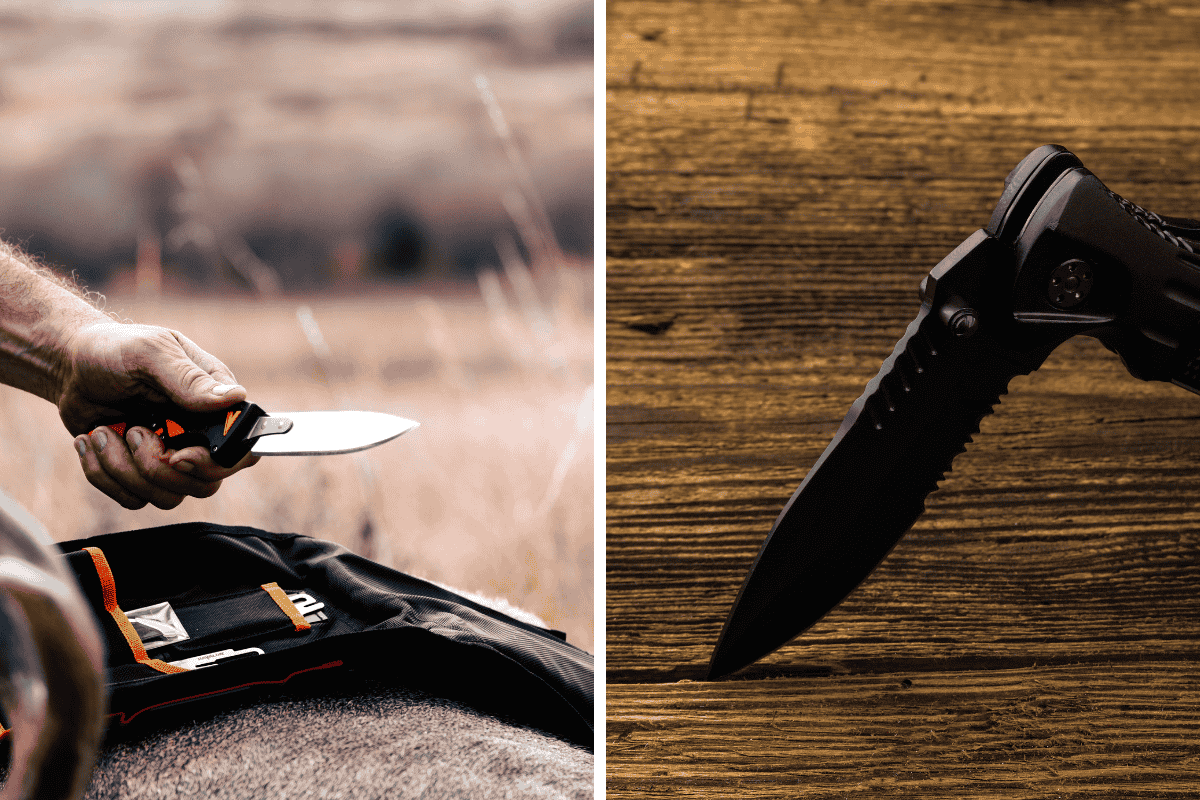
Open carry of any knife, regardless of blade length or type, is legal statewide with no permit needed. Display a folder clipped to a pocket or sheath a fixed blade visibly—intent to threaten voids legality under disorderly conduct statutes.
Rural areas and state parks permit freely; hunters/fishers carry without extra rules. Vehicles allow open knives on seats or dashboards, but avoid plain-view long blades mimicking threats.
Concealed Carry Restrictions
Concealment of knives with blades over 3.5 inches violates § 28-1202 as carrying a concealed deadly weapon—a Class I misdemeanor (up to 1 year jail, $5,000 fine) first offense, escalating to Class IV felony on repeats. Folding pocket knives ≤3.5 inches qualify for concealed carry exception as non-deadly.
“Concealed” means on or about the person, hidden from ordinary observation—pocketed long blades count. Affirmative defenses include occupational need (chefs, linemen) or immediate threat. 2023 changes clarified no “intent” element for long blades.
Prohibited Persons and Places
Felons, fugitives, and those under domestic violence orders cannot possess knives classified as deadly weapons. Schools ban all weapons under § 28-1212.04; K-12 grounds enforce zero-tolerance, with expulsions.
Courthouses, polling places, and federal buildings prohibit via signage; airports confiscate post-TSA. Bars enforce via liquor laws if brandished. No state park blanket bans, but rangers cite disorderly use.
Local Variations in Key Cities
| City | Open Carry | Concealed Limit | Notes |
|---|---|---|---|
| Omaha | Legal | ≤3.5″ blades | Switchblades banned locally |
| Lincoln | Legal | ≤3.5″ blades | Parks restrict fixed blades |
| Bellevue | Legal | State rules | No extras |
| Grand Island | Legal | ≤3.5″ blades | Ordinance mirrors state |
| Kearney | Legal | State rules | Rural leniency |
Check municipal codes; Omaha’s switchblade ordinance persists despite state reform.
Penalties for Violations
First concealed carry offense: Class I misdemeanor, probation likely for clean records. Felony repeats or school possession: 0-5 years prison. Brandishing as a weapon triggers assault charges, Class IIIA felony minimum.
Minors face juvenile delinquency; defenses like self-defense require proving imminent harm. Confiscation follows arrests; civil forfeiture possible.
Best Practices for Knife Carriers
- Measure blades: Stick under 3.5 inches for pocket carry.
- Open carry visibly: Sheaths or clips signal utility.
- Ask permission on private property; avoid escalation.
- Travel smart: Declare at checkpoints; vehicle storage in trunks.
- Stay informed: Monitor legislature.nebraska.gov for updates.
Self-Defense Considerations
Knives qualify as arms under constitutional carry expansions, but deadly force justification mirrors firearms—reasonable fear of death/great harm. Post-2023, no duty to retreat outside homes; holster openly for clarity. Training via USCCA or local ranges aids legality claims.
Recent Changes and Future Outlook
LB957 (2023), signed by Gov. Pillen, enacted constitutional carry including knives, overriding older bans. No 2025-2026 bills altered core rules; preemption pushes loom. Federal Switchblade Act exemptions hold.
Nebraska empowers responsible knife ownership with clear lines: Own freely, open carry confidently, conceal short blades only. Knowledge prevents pitfalls—carry smart, stay legal.
SOURCES:
- https://www.akti.org/state-knife-laws/nebraska/
- https://nebraskalegislature.gov/laws/statutes.php?statute=28-1201