Pennsylvania is one of the more permissive states for knife ownership and carry, but the rules still depend on the type of knife, where you are carrying it, and your intent. The biggest takeaway is simple: most ordinary knives are legal, but carrying any knife with criminal intent or into restricted places can create serious legal trouble.
Knife Ownership
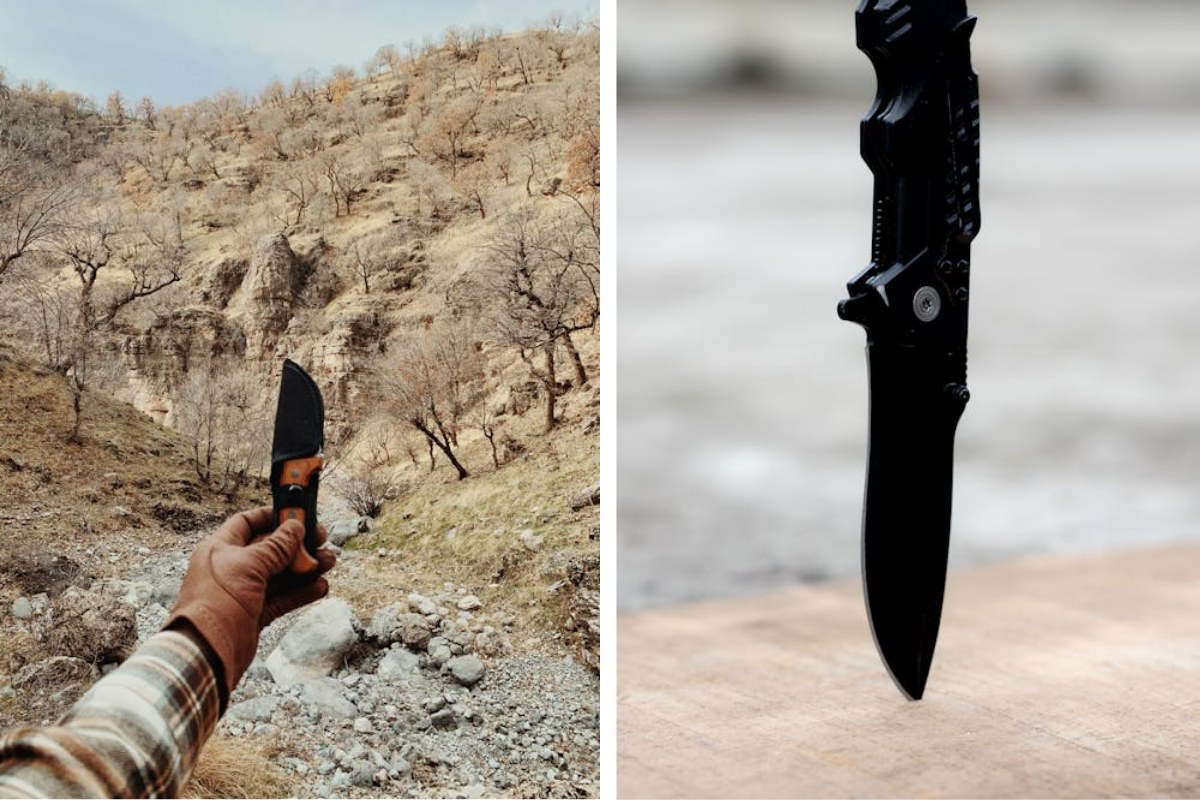
Pennsylvania generally allows residents and visitors to own a wide range of knives, including pocket knives, hunting knives, butterfly knives, Bowie knives, and automatic knives. A major legal change took effect when automatic knives were removed from the state’s “offensive weapons” restrictions, making them lawful to possess and trade under state law.
That said, not every knife is treated the same. Knives that are disguised as something else or designed mainly as weapons may still face restrictions under Pennsylvania’s offensive weapons laws.
Carry Rules
Pennsylvania does not impose a general statewide blade-length limit for knives, and open or concealed carry is generally allowed for lawful purposes. In practice, the law focuses less on whether the knife is visible and more on whether you possess it with unlawful intent.
Under the state’s criminal intent rules, carrying a knife becomes illegal when it is done “with intent to employ it criminally.” That means a common utility knife carried for work, camping, or daily use is usually treated very differently from a knife carried to threaten or harm someone.
Restricted Places
Even though knife rights are broad in Pennsylvania, some locations remain off-limits. Schools are a major restriction, and Pennsylvania law prohibits possession of knives on school grounds. Court facilities also prohibit knives, and Commonwealth property rules must be followed wherever posted restrictions apply.
Philadelphia is especially important because it has its own ordinance banning possession of any cutting weapon on public streets or public property. Since Pennsylvania does not have statewide knife preemption, local ordinances can be stricter than state law.
Age And Intent
Pennsylvania law does not set a simple statewide knife age rule for every situation, but minors can face restrictions through school policies and local rules. Separate from age, the law consistently treats intent as the most important factor in determining legality.
For example, a knife that is lawful to own can still become evidence in a criminal case if it is carried during an attempted offense or with the purpose of using it unlawfully. That is why the same knife may be legal in one context and illegal in another.
Practical Advice
If you carry a knife in Pennsylvania, keep it tied to a clear lawful purpose such as work, outdoor activities, or everyday utility use. Avoid carrying knives into schools, courthouses, and any location with posted restrictions, and be extra careful in cities like Philadelphia where local rules are tighter.
It is also smart to remember that a knife law issue often turns on context, not just the blade itself. A legal knife carried responsibly is usually not a problem, but misuse, threats, or entry into restricted areas can quickly change the outcome.
SOURCES:
- https://www.akti.org/state-knife-laws/pennsylvania/
- https://owossoindependent.com/understanding-your-knife-rights-in-pennsylvania-a-legal-guide/