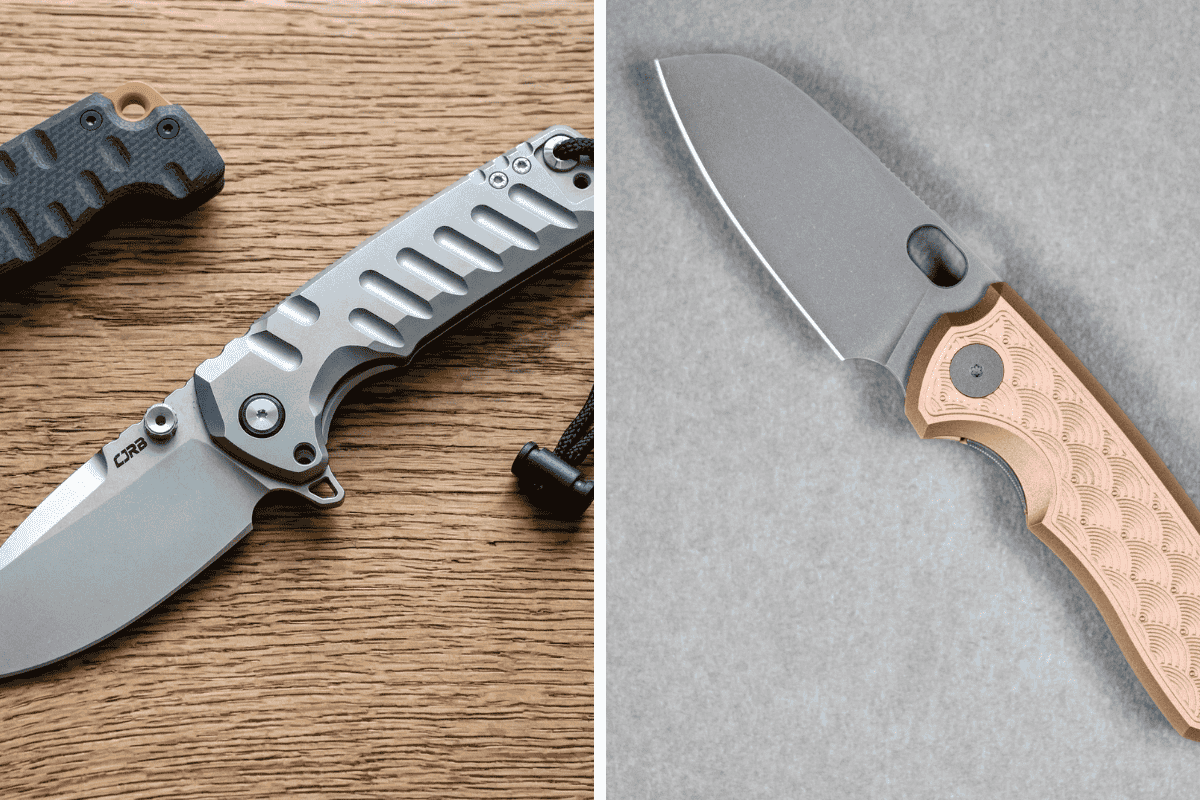
South Carolina maintains some of the most permissive knife laws in the U.S., allowing adults to own, open carry, and conceal most knives without strict blade length limits or bans on common types like switchblades or balisongs.
The key statute, S.C. Code § 16-23-460, exempts “knives,” “dirks,” and “razors” from concealed weapon prohibitions unless used in a crime, reflecting a philosophy of personal freedom for law-abiding citizens.
Open and Concealed Carry Basics
Open carry of any knife is legal statewide, with no restrictions on blade length or type for public spaces. Concealed carry is similarly unrestricted under state law; § 16-23-460 explicitly carves out an exception for knives, meaning pocket knives, fixed blades, or folders can be carried discreetly without a permit.
This applies to assisted-opening knives, butterfly knives, and disguised blades, as no statutes target opening mechanisms or styles. Statewide preemption via the South Carolina Constitution (Article 8, Section 14) prevents local governments from imposing stricter rules, though a few cities like Columbia and Greenville have outdated ordinances that may conflict—state law generally prevails.
Prohibited Locations and Exceptions
Knives with blades over two inches are banned on elementary or secondary school property, per § 16-23-430, except for law enforcement or authorized personnel. Correctional facilities prohibit all knives under § 24-13-440.
There are no statewide restrictions for courthouses, airports, or government buildings beyond federal rules, but private property owners can set their own policies. During violent crimes, possessing a knife triggers enhanced penalties under § 16-23-490.
Legal Knife Types and Federal Overlaps
All common knives are legal: switchblades, balisongs, ballistic knives (state level), and fixed blades face no bans. Federal law prohibits interstate ballistic knife transport (18 U.S.C. § 1716), but intrastate ownership is fine. No blade length caps exist outside schools, unlike restrictive states like California.
Potential Pitfalls and Enforcement
Intent matters: a knife becomes illegal only if wielded criminally, shifting focus from possession to use. Brandishing threateningly could lead to assault charges.
Local variances persist—Charleston’s old 3-inch concealed blade limit or Columbia’s broad weapon ban may confuse, but constitutional preemption protects statewide rights. Tourists and newcomers should verify via official sources, as enforcement varies by officer discretion.
Practical Tips for Compliance
Carry confidently but responsibly: a 4-inch folder in your pocket is legal statewide. Avoid schools and jails. If stopped, politely assert rights without resisting. For CWP holders, knives complement firearms without extra permitting. Consult S.C. Code or a local attorney for edge cases, especially post-2026 updates. South Carolina’s framework prioritizes freedom, making it a knife-friendly state.
Why These Laws Matter
Permissive rules reduce arbitrary policing, aligning with Second Amendment expansions via Bruen (2022), though knives stand alone here. They empower everyday carry for work, outdoors, or self-defense without felony risks seen elsewhere. Stay informed—laws evolve, but SC remains welcoming.
SOURCES:
- https://www.akti.org/state-knife-laws/south-carolina/
- https://www.tkellknives.com/blogs/default-blog-1/knife-laws-in-south-carolina-a-comprehensive-legal-guide