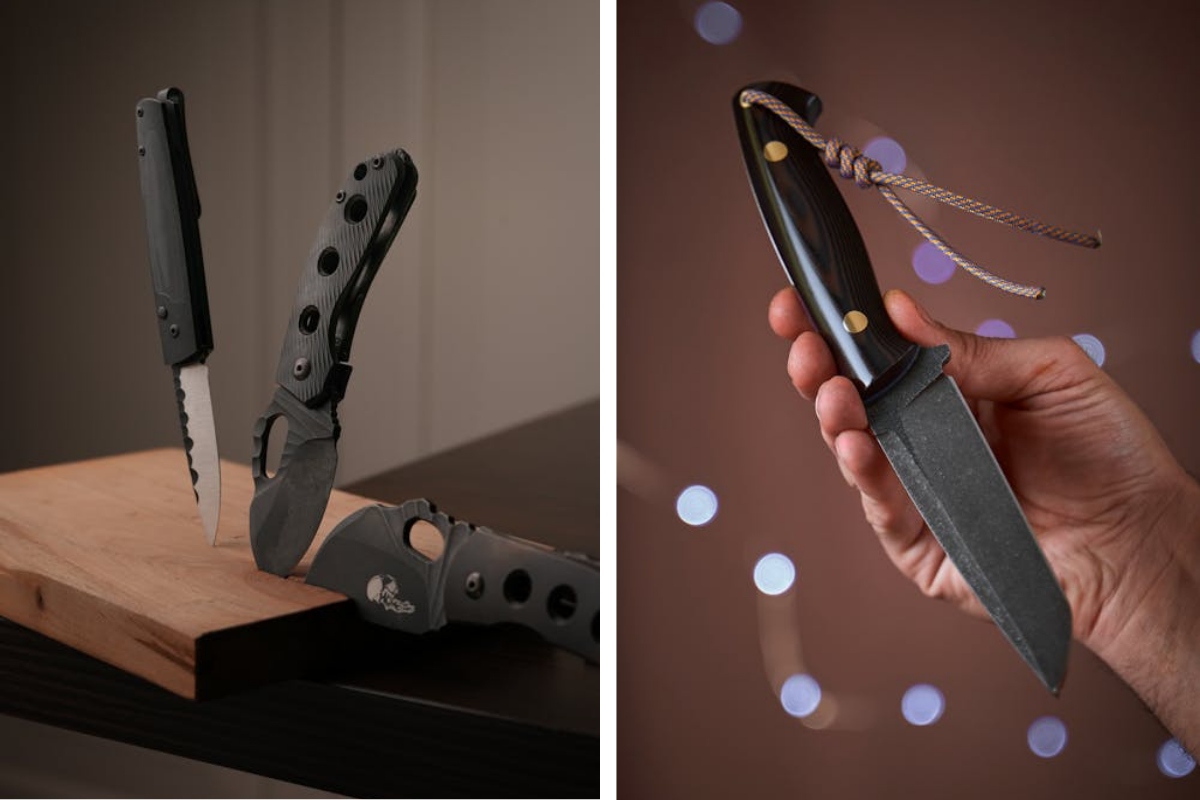
Wisconsin has some of the most permissive knife laws in the country, and adults can generally own, open-carry, and concealed-carry most knives without a statewide blade-length limit. The main legal limits come from where you carry, who is carrying, and whether the knife is used in a threatening or criminal way.
What Wisconsin Allows
State law does not generally restrict the public carry of knives, whether openly or concealed, and it does not impose a general blade-length limit. Wisconsin also repealed its old switchblade ban, so automatic knives and similar opening mechanisms are no longer broadly prohibited. In ordinary everyday use, that means most legal knives are allowed for lawful adults.
Concealed Carry Rules
Wisconsin’s concealed weapon statute specifically excludes a knife from the definition of “dangerous weapon” for the general concealed-carry rule. That is why concealed knife carry is usually lawful for most adults. One important exception applies to people prohibited from possessing firearms under state law, because they may not carry a concealed knife that qualifies as a dangerous weapon.
Sensitive Locations
Even permissive knife laws do not override location-based restrictions. Knives are prohibited on school premises, and government buildings such as courthouses or secure facilities may also restrict them. Airports and similar secured areas follow separate security rules, so a knife that is legal elsewhere can still be illegal to bring inside.
Local And Private Rules
Wisconsin has statewide preemption, which limits cities and counties from creating their own extra knife restrictions. That said, private property owners can still ban knives on their premises, and a business that posts a no-weapons rule can enforce it as a condition of entry. If a place has a clear sign or security screening, follow that rule first.
Minors And Misuse
The law is much stricter for minors and for transfers of dangerous weapons to minors. A knife can also become a criminal issue if it is used to threaten, intimidate, or endanger someone, even if the knife itself is legal to possess. In other words, Wisconsin is permissive about ownership, but it still punishes misuse.
Practical Takeaways
For most adults, the safest rule is simple: carry your knife lawfully, avoid sensitive locations, and respect posted property rules. If you are not sure whether a specific knife or place is covered by an exception, check whether the issue is carry type, location, age, or prohibited status. Wisconsin is generally knife-friendly, but context still matters.
SOURCES:
- https://www.akti.org/state-knife-laws/wisconsin/
- https://knifeinformer.com/state-knife-laws/wisconsin/