
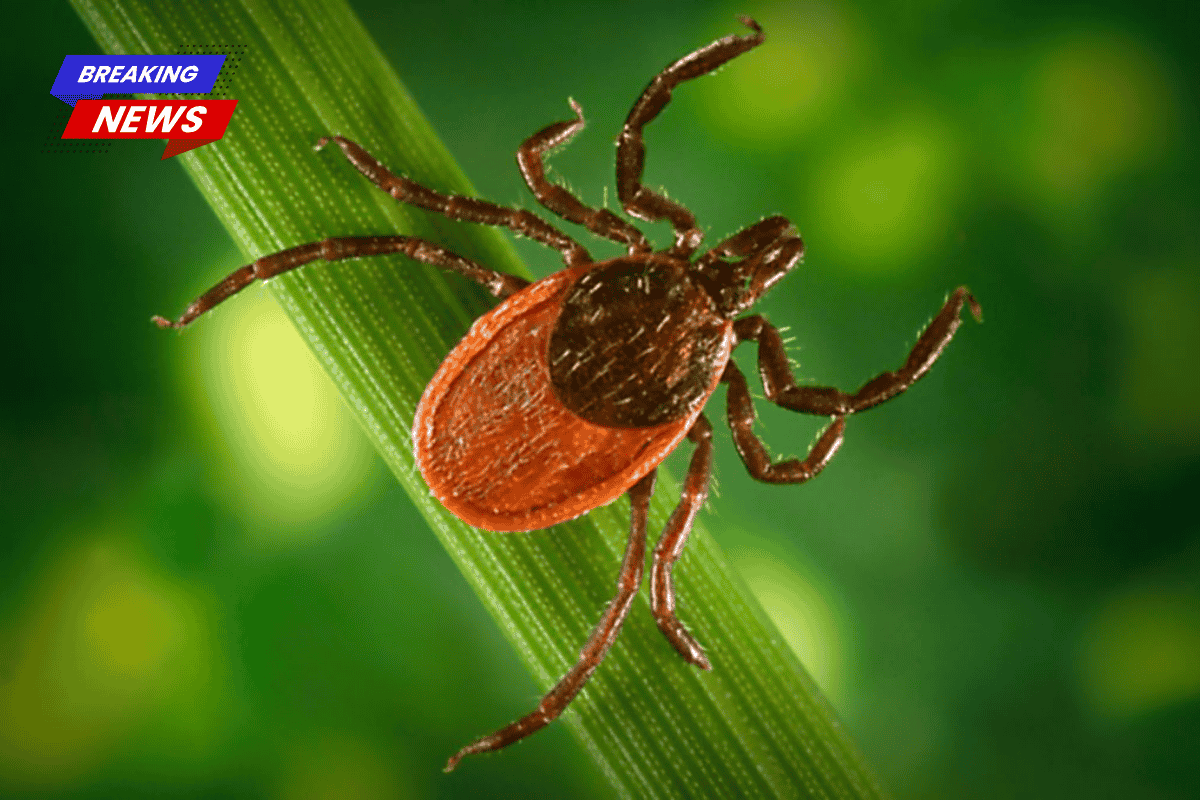
Tick season is off to an unusually fast start across the United States, with a spike in reported bites already raising alarms among doctors and public health officials. Experts are concerned about the potential for a rise in tick-borne diseases this year, including Lyme disease and Rocky Mountain spotted fever.
A Fast Start to Tick Season
Tick bites typically peak in May, but the Centers for Disease Control and Prevention (CDC) issued an early warning this week due to the heightened activity. Data shows that emergency room (ER) visits for tick bites are already higher than usual for this time of year, with the highest rates since 2017.
The uptick is being observed across the country, except in the south-central U.S., though the data is still limited and may not capture all cases, particularly those who don’t seek hospital care.
Alison Hinckley, a CDC expert on Lyme disease, emphasized, “Ticks are out, and people are getting bitten.” Health officials urge the public to take precautions now to avoid potential infections.
Increased Risk of Tick-Borne Diseases
Ticks are not only a nuisance but also vectors of several serious diseases. Lyme disease, the most common tick-borne illness in the U.S., infects approximately 476,000 people annually, according to the CDC. Other diseases caused by ticks include Rocky Mountain spotted fever and alpha-gal syndrome, a red meat allergy linked to tick bites.
Ticks are small arachnids that feed on the blood of animals and people. Their populations are influenced by climate conditions, with warm, humid weather favoring their growth. Experts also attribute the increase in tick populations to factors like mild winters and an abundance of deer and mice — the primary food sources for ticks.
The Dangers of Nymphs and Emerging Tick Populations
This year, tick populations in the Northeast have been predominantly large adult ticks, but experts warn that the smaller, harder-to-detect juvenile nymphs will soon become more prevalent. Nymphs are notorious for being harder to spot and often remain attached to people for longer periods, increasing the risk of disease transmission.
Tick Surge in Connecticut
Connecticut, where Lyme disease was first identified, is experiencing a significant tick surge. The Connecticut Agricultural Experiment Station reported that residents have been submitting an average of 30 ticks per day for testing. Alarmingly, 40% of the ticks tested were found to carry the bacteria that causes Lyme disease.
Scott Williams, a tick researcher at the station, noted that the past two years’ unusually high mouse population has contributed to the increased number of ticks. Megan Linske, a wildlife biologist with the station, expects the problem to continue, with ticks spreading across more areas.
How to Protect Yourself from Tick Bites
As tick season ramps up, experts advise taking preventive measures to avoid bites:
- Stay on cleared paths: Walk in the middle of trails, avoiding wooded and grassy areas where ticks thrive.
- Wear protective clothing: Opt for light-colored clothing so ticks are easier to spot, and treat your clothing with permethrin, an insecticide effective against ticks.
- Use EPA-approved insect repellents: Apply repellents to exposed skin, especially on areas where ticks are likely to attach, such as ankles and the back of the knees.
- Tick checks: After spending time outdoors, check your body thoroughly for ticks. If you find one, remove it immediately using fine-tipped tweezers.
If you suspect that a tick has been attached for several days or you develop a rash or symptoms, consult a healthcare provider for advice. Early treatment can prevent many of the diseases ticks carry.






