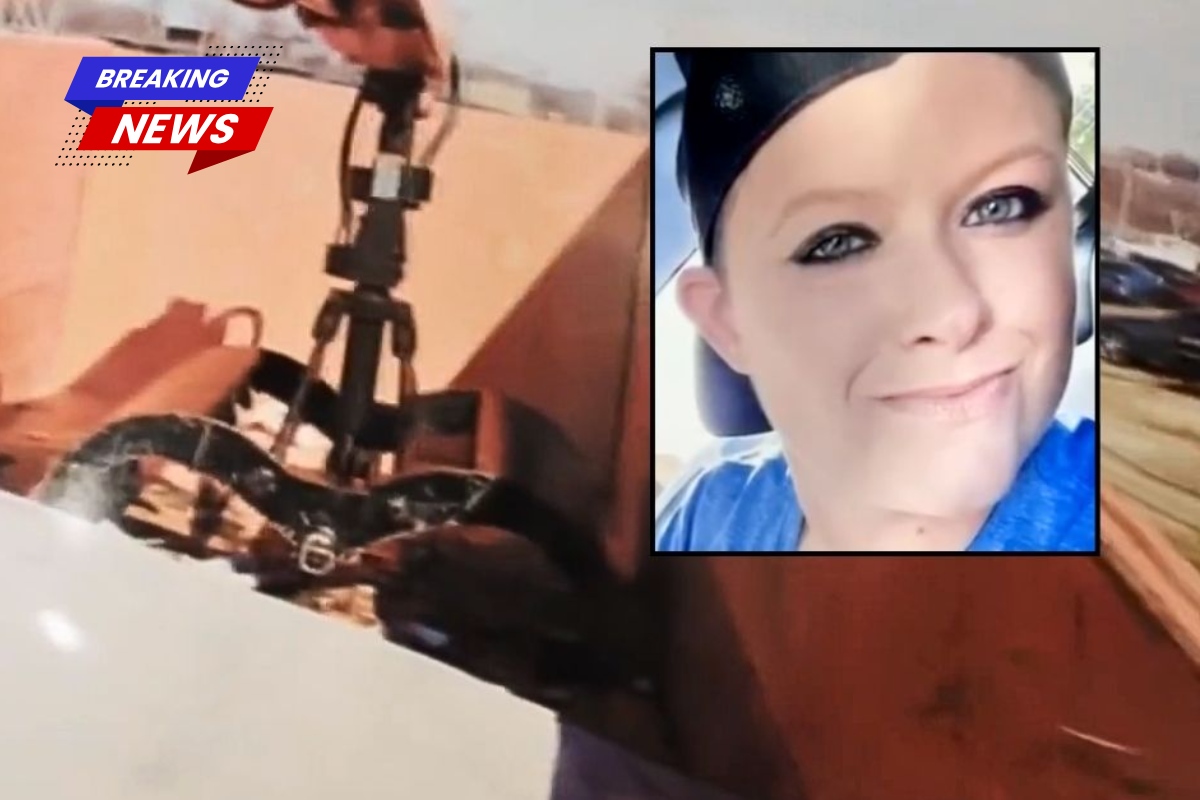
A heartbreaking lawsuit filed in Kentucky has brought attention to the tragic death of a homeless woman who was allegedly crushed by a garbage truck during an alley cleanup operation in Louisville.
The family of 35-year-old Tyrah Adams claims city sanitation workers failed to follow proper safety procedures before using a hydraulic trash claw that allegedly picked her up, compressed her body, and left her critically injured in an alley.
The disturbing incident has raised serious concerns about public safety, homeless outreach, and sanitation procedures during cleanup operations involving heavy machinery.
What Happened to Tyrah Adams?
According to the lawsuit, the incident happened in February 2026 during a Louisville Metro alley cleanup operation.
Tyrah Adams was reportedly lying inside a cardboard box near a trash-filled alley when sanitation workers arrived to remove debris using a garbage truck equipped with a hydraulic claw, also known as a knuckle boom.
Her family alleges the workers failed to properly inspect the area before operating the equipment. The lawsuit claims the claw grabbed Adams along with nearby debris, compressed her body, and dropped her back into the alley.
The complaint describes the event as a horrifying and preventable tragedy.
Family Accuses City of Gross Negligence
The lawsuit accuses Louisville Metro and unnamed sanitation workers of gross negligence and reckless conduct.
According to the legal complaint, city officials either knew or should have known that homeless individuals and vulnerable people often stayed in alleys and cleanup areas targeted during public works operations.
The family argues that workers ignored written safety procedures designed to prevent exactly this kind of accident.
Their attorney, Stephanie Rivas, stated that Adams was physically picked up and crushed by the truck’s hydraulic claw before being left injured in the alley.
The lawsuit further claims the workers failed to immediately provide help after the incident.
Tyrah Adams Sought Help After the Incident
According to the complaint, despite suffering severe injuries, Adams managed to make her way to a nearby convenience store identified as J&M Food Mart.
Store employees reportedly called 911 after Adams entered the shop in extreme pain and asked for help.
The lawsuit describes her injuries as catastrophic and states she was suffering from severe blunt force and compressional trauma.
A coroner later confirmed that those injuries caused her death.
Alleged Safety Failures During Cleanup Operation
The family’s lawsuit claims the sanitation workers breached their duty of care in several ways during the cleanup operation.
According to the complaint, workers allegedly failed to properly inspect the work area, maintain awareness of their surroundings, use safe spotting procedures, supervise the operation correctly, and enforce basic safety rules while operating the truck.
The family argues that these failures directly led to Tyrah Adams’ death.
The incident has also raised wider questions about how cities handle alley cleanups in areas where homeless individuals may be sleeping or seeking shelter.
City Officials Respond to the Lawsuit
Louisville Mayor Craig Greenberg previously addressed the incident and said the garbage crew accidentally picked up Adams during the cleanup operation because workers did not see her.
A spokesperson for the mayor later shared condolences for Adams’ family but declined to comment further on the lawsuit.
As of now, city officials have not publicly responded to the specific allegations outlined in the legal complaint.
Growing Concerns About Homeless Safety
The tragic death of Tyrah Adams has sparked emotional reactions across Kentucky and renewed discussions about homeless safety during public works operations.
Advocates for homeless communities say the incident highlights the dangers vulnerable individuals face while living in unsafe conditions near cleanup zones and construction areas.
The lawsuit may also place increased pressure on city agencies to review sanitation safety procedures and improve worker training to prevent similar tragedies in the future.