
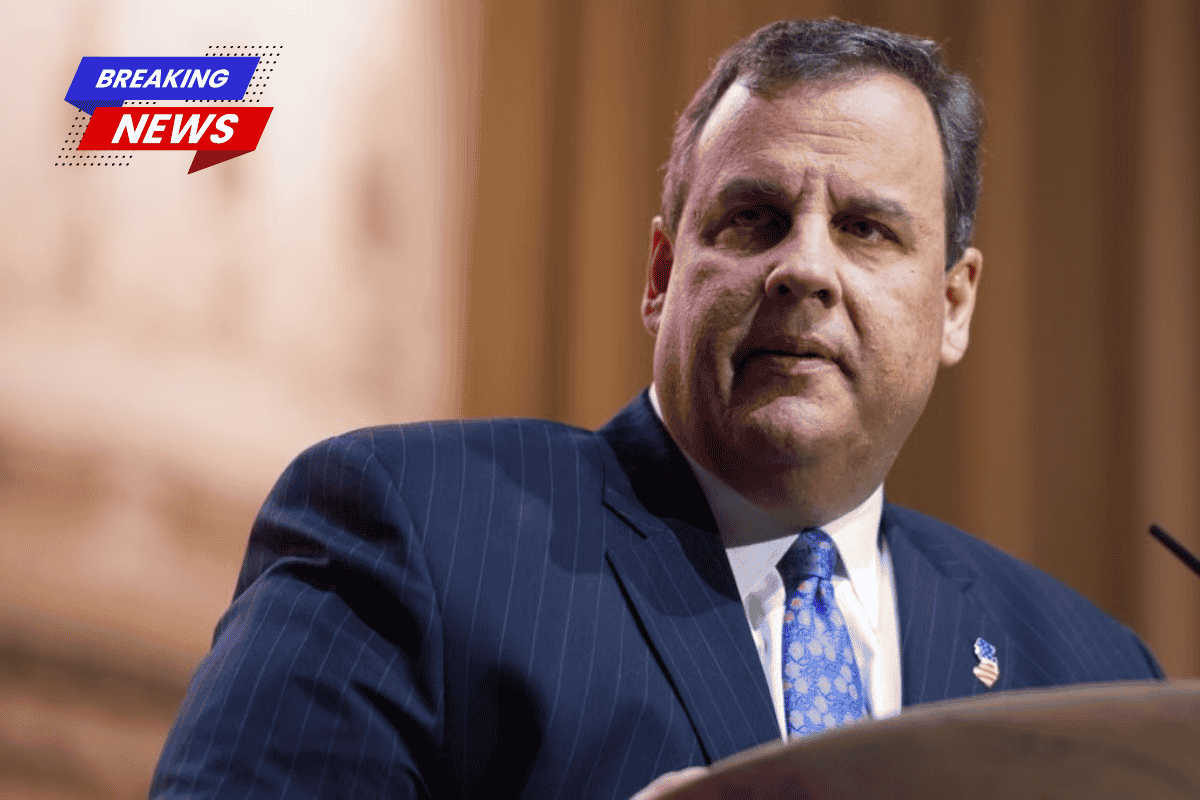
A strong warning from former New Jersey Governor Chris Christie has added pressure on U.S. foreign policy as tensions with Iran continue. His comments come at a time when the conflict is affecting global energy markets, diplomacy, and political debates back home.
Christie Warns of “Geopolitical Failure”
Speaking on ABC’s This Week, Christie said that if Iran comes out of the conflict without major damage to its nuclear programme, it would be a serious failure for Donald Trump. He argued that if the situation ends with Iran in the same position as before—and shipping through the Strait of Hormuz resumes—then the outcome would look like no real progress was made.
Christie also criticised Trump’s strategy, saying the president is “playing checkers, not chess,” and warned that Iran is far more complex than other countries the U.S. has dealt with in the past.
“Finish the Job or Own It”
Christie made it clear that if the U.S. decides to intervene in such a conflict, it must achieve its stated goals. These include dismantling Iran’s nuclear programme or pushing for regime change.
He gave a strong warning, saying that if Iran ends up stronger after the conflict, it would be “a geopolitical failure of enormous proportions.” His comments suggest that partial or unclear outcomes could damage both U.S. credibility and leadership.
Energy Crisis Adds Pressure
The ongoing conflict has already triggered a major energy shock. Gasoline prices in the United States have risen sharply, with the national average around $4.10 per gallon. In some states like California, prices are even higher, reaching close to $5.94.
This rise is linked to disruptions in global oil supply, especially due to tensions around the Strait of Hormuz, which handles about 20% of the world’s oil shipments.
Recent reports show oil prices continuing to rise due to the ongoing standoff, with supply disruptions and blocked shipping routes increasing global pressure.
Shipping Disruptions and Stalled Talks
The situation in the Strait of Hormuz remains unstable. Iranian officials have said the waterway may not return to normal conditions soon, while U.S. military actions and blockades continue to affect shipping.
Reports indicate that dozens of ships have already been turned away or redirected due to the conflict. At the same time, diplomatic efforts have slowed down, with planned talks being cancelled and disagreements within Iran’s leadership complicating negotiations.
Political Impact in the U.S.
The rising fuel prices and lack of clear diplomatic progress are increasing criticism of Trump’s foreign policy decisions. The conflict is now not just a global issue but also a domestic political challenge.
With elections approaching, outcomes in Iran could directly affect public opinion, especially if economic pressure continues to grow.






