
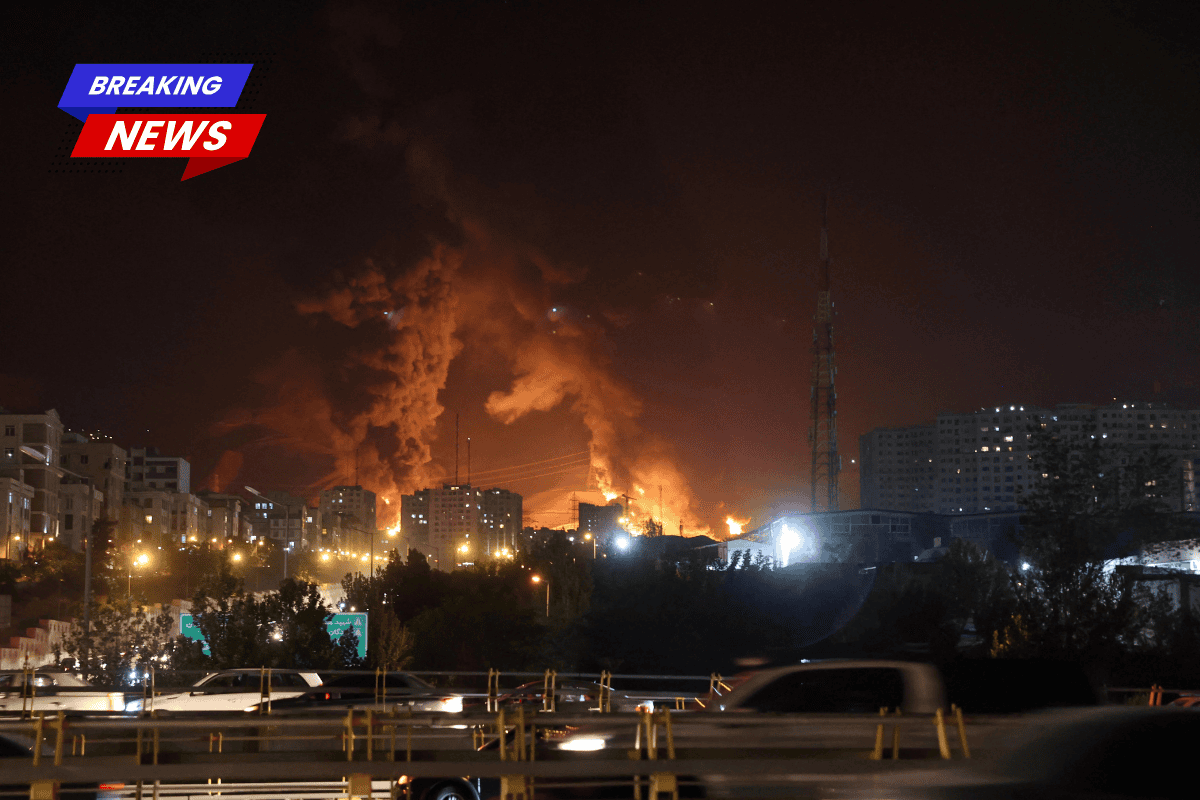
A major conflict in the Middle East has escalated rapidly, involving multiple countries and causing widespread casualties, displacement, and global concern. Here’s a clear and simple breakdown of what’s happening and why it matters.
What Triggered the Conflict
The war began after the United States and Israel launched large-scale strikes on Iran, targeting military sites, missile systems, and leadership.
One of the most shocking developments was the reported killing of Iran’s Supreme Leader, Ali Khamenei, who had ruled the country for decades. After his death, his son Mojtaba Khamenei was named as his successor.
These attacks also hit nuclear-related sites and key energy locations, including oil and gas facilities.
Iran’s Response
Iran responded with missile and drone attacks against Israel and several US-allied nations in the Gulf region.
Targets included:
- Military bases
- Government facilities
- Energy infrastructure
Countries affected include Qatar, UAE, Saudi Arabia, Bahrain, and Kuwait. These attacks have led to civilian and military casualties across multiple regions.
Spread of the Conflict
The war quickly expanded beyond Iran and Israel:
- In Lebanon, the Iran-backed group Hezbollah launched attacks on Israel
- Fighting intensified in Iraq, with casualties among soldiers and armed groups
- Missile and drone incidents were reported in Turkey and Azerbaijan
- A British military base in Cyprus was also targeted
This has turned the conflict into a wider regional crisis.
Casualties and Human Impact
The human cost has been severe:
- Thousands reported dead in Iran, including civilians and children
- Civilian deaths in Israel from missile strikes
- Over a million people displaced in Lebanon
- Casualties reported across Gulf countries and Iraq
These numbers continue to rise as fighting continues.
Why the US and Israel Attacked
Both the US and Israel have long viewed Iran as a major threat. Key reasons include:
- Concerns over Iran’s nuclear programme
- Fear of missile development
- Long-standing political and military tensions
Israel says the strikes were “pre-emptive,” meaning they aimed to stop future threats before they happened.
Impact on Global Economy
The conflict is already affecting the world economy:
- The Strait of Hormuz, a key oil route, has been disrupted
- Oil and gas production has been affected
- Energy prices are rising globally
Since this region supplies a large portion of the world’s oil, any disruption has a global impact.
Travel and Safety Concerns
Travel across the Middle East has been heavily affected:
- Flights have been cancelled or limited
- Governments are issuing travel warnings
- Safety risks remain high in many areas
People are being advised to check official travel guidance before planning any trips.
How Long Could the War Last
There is no clear timeline for when the conflict will end. Leaders have given mixed signals:
- Donald Trump suggested the war may already be under control
- Benjamin Netanyahu said operations will continue as long as needed
Some officials have suggested the conflict could last weeks, but it could also continue longer depending on developments.






