A Florida attorney faced intense questioning from a panel of appellate judges after allegedly filing a legal brief that failed to present clear arguments in support of his client’s appeal. During a hearing that has since attracted attention online, the judges repeatedly challenged the lawyer over what they described as a lack of meaningful legal analysis in his filing.
Florida Attorney Faces Possible Sanctions
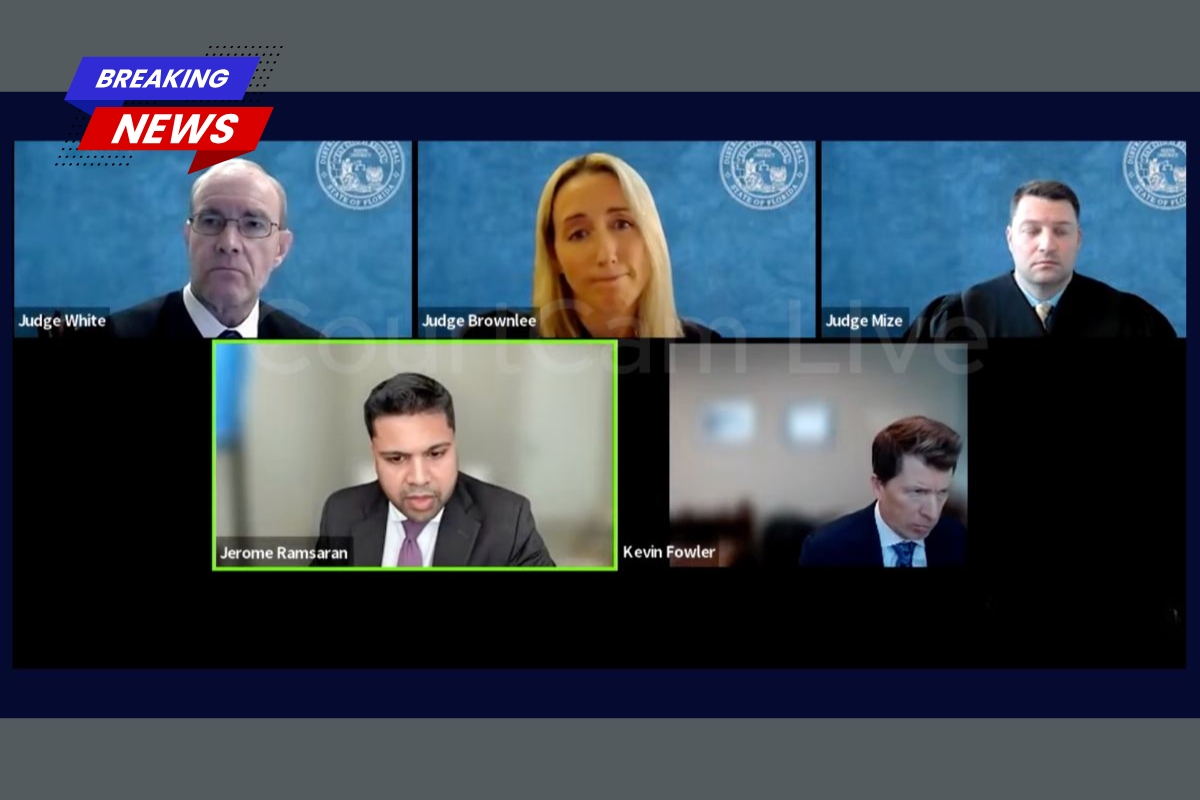
The case involves Florida attorney Jerome Ramsaran, who is facing potential sanctions from the state’s Sixth District Court of Appeal. The court is considering whether penalties should be imposed because of an appellate brief that judges believe may have been frivolous or filed in bad faith.
According to the judges, Ramsaran could face sanctions under both Florida appellate rules and state law. The rules allow courts to penalise attorneys for filing documents considered frivolous or unsupported by existing law.
At the beginning of the hearing, Judge Paetra T. Brownlee asked Ramsaran about his legal background and experience. The attorney told the court that he had been practising law for 10 years and had spent approximately five years handling appellate matters.
Ramsaran also explained that his legal practice mainly focuses on homeowners insurance disputes, personal injury cases, and consumer-related litigation involving banks and lending institutions.
Judges Question Lack of Legal Analysis
The hearing quickly turned to the contents of the brief that Ramsaran had filed on behalf of his clients.
Judge Brownlee noted that the argument section contained numerous citations to legal authorities and established legal principles. However, she questioned why the brief failed to explain how those legal authorities applied to the facts of the case.
According to the judge, appellate rules require attorneys to present actual arguments supporting each issue raised on appeal. She expressed concern that the filing merely listed legal rules without connecting them to the specific dispute before the court.
When asked to explain the lack of analysis, Ramsaran requested time to review the brief.
He then surprised the panel by stating that he was not aware the hearing would focus on the contents of the brief itself.
Judge Challenges Attorney’s Understanding of Hearing
The attorney’s response prompted immediate concern from the judges.
Judge Joshua A. Mize pointed out that the court’s order specifically stated that the hearing concerned whether sanctions should be imposed for filing a brief that was allegedly frivolous or submitted in bad faith.
Ramsaran responded by saying he believed the hearing was related to his failure to respond to an earlier court order. He acknowledged that he may have misunderstood the purpose of the proceedings.
The exchange appeared to increase the judges’ concerns about the attorney’s preparation and understanding of the case.
Court Focuses on Missing Arguments
As the hearing continued, the judges repeatedly returned to what they viewed as the central problem with the brief.
Judge Brownlee asked how the opposing party could reasonably respond to the appeal if the filing did not clearly identify the legal arguments being made.
Ramsaran argued that some of the relevant points appeared elsewhere in the document and suggested that his legal team had explained the issues more clearly in later filings responding to a sanctions motion.
However, the judges emphasised that the required arguments should have been included in the argument section of the original brief itself.
At several points, Ramsaran attempted to locate specific passages within the filing, but judges indicated that he was reviewing the wrong sections of the document.
Attorney Admits Argument Section Lacked Arguments
Judge Mize later summarised the court’s concerns in direct terms.
According to the judge, the argument section consisted largely of copied legal rules and case citations without any explanation of how those authorities demonstrated that the trial court had made an error.
Mize stated that even if Ramsaran believed his client had a valid claim, the brief failed to make a serious attempt to meet the standards required for appellate review.
The judge then asked Ramsaran whether he could point to any part of the argument section that actually presented an argument.
After reviewing the document, the attorney answered, “No, no.”
The admission became one of the most notable moments of the hearing.
Additional Concerns Raised by Third Judge
Judge Keith F. White shared the concerns expressed by his colleagues and raised another issue regarding the appeal itself.
White questioned whether the appeal had been filed in good faith, noting that the trial court had already dismissed portions of the underlying lawsuit and rejected a proposed third amended complaint.
His comments suggested that the court’s concerns extended beyond the quality of the brief and included questions about the overall basis for pursuing the appeal.
Background of the Underlying Case
The underlying lawsuit is titled Foreman Electric Services, Inc. v. LSQ Funding Group, LC. The appellate hearing took place on October 28, 2024.
Although the oral arguments occurred several months ago, the video recently gained wider attention after being uploaded to YouTube by a Florida attorney who focuses on trusts and estates law.
The hearing has since become a topic of discussion among legal professionals because of the judges’ criticism of the appellate filing and the attorney’s responses during questioning.