Residents across New Orleans are growing increasingly frustrated as water main breaks continue happening across the city. The repeated ruptures often lead to boil water advisories, road damage, and costly repairs, leaving many people wondering why the problem seems to be getting worse.
Experts say the answer largely comes down to aging infrastructure beneath the city’s streets.
Aging pipes reaching the end of their lifespan
According to Norma Jean Mattei, an engineering professor at University of New Orleans and former president of the American Society of Civil Engineers, many of the water pipes in New Orleans were installed decades ago using cast iron.
While cast iron is a durable material, it has a limited lifespan.
Mattei explained that these pipes generally last about 80 to 100 years before they begin to fail.
Because many of the pipes were installed around the same time using the same materials, large sections of the system are now aging at the same pace. As a result, multiple water mains are reaching the end of their useful life simultaneously.
Cast iron pipes can also become brittle over time and corrode underground, which increases the likelihood of sudden breaks.
Impact on residents and city infrastructure
When a water main breaks, it can cause several major disruptions.
Common impacts include:
- Boil water advisories for nearby neighborhoods
- Flooded streets and damaged pavement
- Temporary water service interruptions
- Expensive repair work for city crews
These incidents can also slow traffic and create safety concerns while repairs are underway.
For residents and businesses, boil water advisories can be especially inconvenient because they require people to boil tap water before drinking, cooking, or brushing their teeth.
Possible solution: modern plastic piping
Experts say replacing old pipes with modern materials could help reduce future failures.
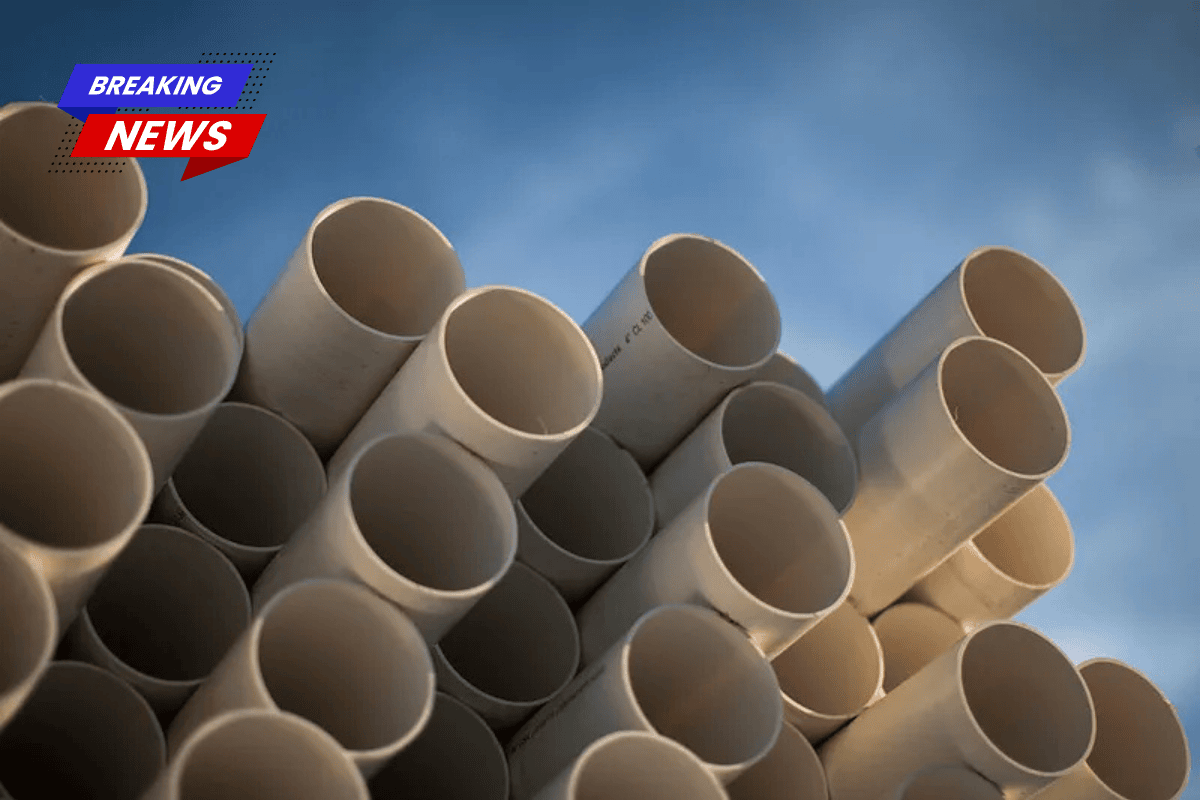
One option gaining attention is high-density polyethylene (HDPE) piping, a type of flexible plastic pipe that has become widely used in many cities.
HDPE pipes offer several advantages:
- Strong resistance to corrosion
- Greater flexibility compared to cast iron
- Long lifespan of about 50 to 100 years
- Easier installation and repair
Because the material is flexible, it is less likely to crack under pressure or ground movement.
Easier integration with existing infrastructure
Another benefit of HDPE pipes is that they can sometimes be installed without fully removing older pipes.
In certain cases, engineers can insert HDPE piping inside existing cast iron pipes to reinforce the system.
This approach allows cities to upgrade infrastructure while avoiding the cost and disruption of completely digging up streets and replacing entire sections of pipe.
Engineers can also connect HDPE pipes to other pipe materials using special fittings, allowing gradual upgrades to aging systems.
Other cities facing similar challenges
New Orleans is not the only city dealing with aging water infrastructure.
Many older U.S. cities installed their water systems in the early or mid-20th century using similar materials.
Cities such as Philadelphia have faced similar problems and have already begun transitioning to HDPE and other modern pipe materials.
These upgrades are part of long-term infrastructure plans designed to reduce pipe failures and improve water system reliability.