NEW ORLEANS, La. — Founded by Sylvester Francis in 1999, the Backstreet Cultural Museum in Treme stands as a living tribute to the rich cultural traditions of New Orleans, including Mardi Gras Indians, Baby Dolls, second-line parades, jazz funerals, and Skull and Bone gangs.
This unique museum began as a collection in Francis’ two-car garage and has evolved into an essential institution dedicated to preserving and celebrating the traditions of New Orleans’ Black communities.
The Birth of the Museum
Sylvester Francis first became involved in capturing the vibrant culture of New Orleans after paying $35 for a photograph of himself during a 1979 parade.
Determined not to pay for future photos, he bought his own camera and began documenting the traditions of the Gentlemen of Leisure Social Aid and Pleasure Club, Mardi Gras Indians, and more. His tenacity and dedication to photographing these traditions earned him the nickname “The Hawk.”
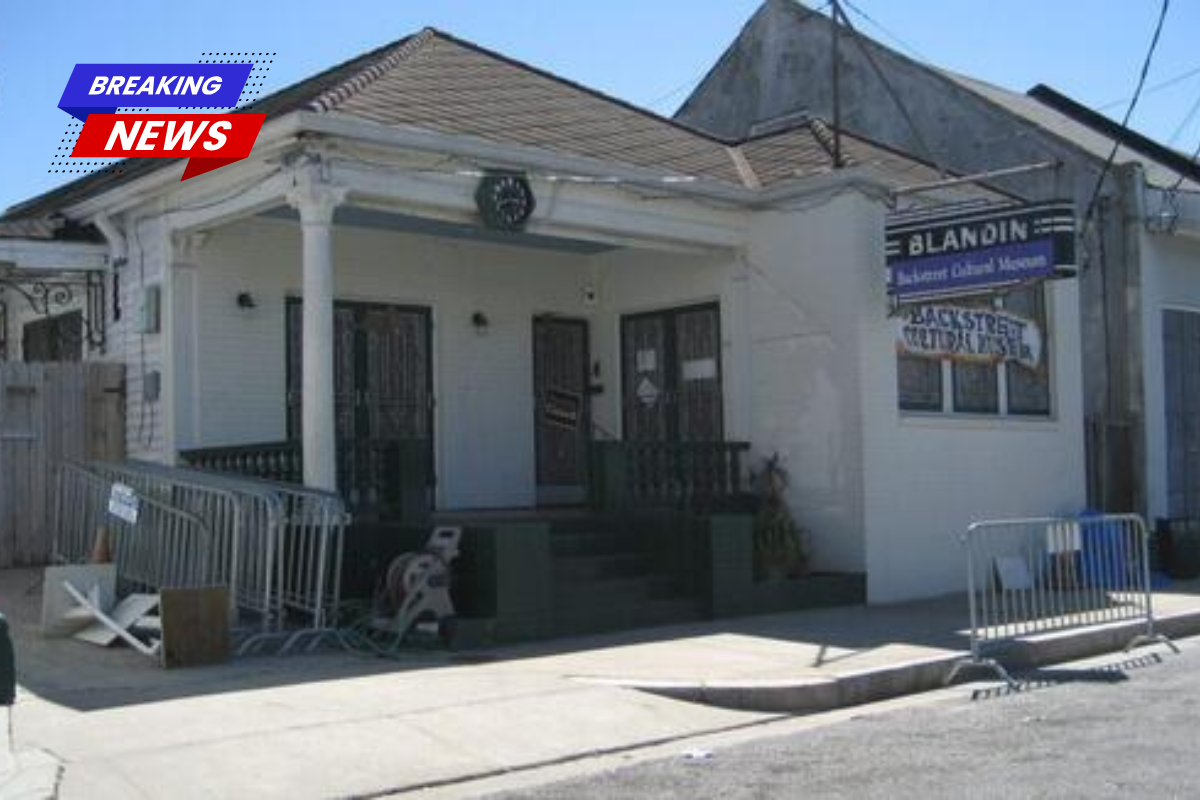
In 1988, Francis began displaying his photographs and Mardi Gras Indian memorabilia in his Treme garage, attracting the attention of the local community and curators. As donations from community members and organizations poured in, Francis moved his collection to the Blandin funeral parlor in 1999, officially opening the Backstreet Cultural Museum.
The Museum’s Expansions and Legacy
After Francis’ death in 2020, his daughter Dominique Dilling Francis took over the museum. The museum faced a major setback when Hurricane Ida destroyed the Blandin building in 2021, but the museum reopened at its current location at 1531 St. Philip Street in Treme. It has since expanded, with a new second-floor gallery opening in April 2025.
A Deep Dive into New Orleans Culture
Visitors to the Backstreet Cultural Museum are immersed in New Orleans’ cultural fabric. The walls are lined with Mardi Gras Indian suits, elaborately beaded and feathered costumes that are hand-made by tribal chiefs and members. The tradition of creating these suits dates back to the 1700s and 1800s, honoring Indigenous communities that helped enslaved Africans who escaped captivity.
A dedicated section is also devoted to the Baby Dolls, a female masking group that first formed in 1912. They wore fancy dresses and paraded through Black neighborhoods, a tradition that was revived in 2004 after decades of dormancy.
The museum also features exhibits on the Skull and Bone gangs, who take to the streets of Treme in the early hours of Mardi Gras morning. These groups, wearing skulls, skeleton suits, stilts, and carrying bones, announce the arrival of Mardi Gras. The Northside Skull and Bone Gang begins their procession from the museum each year.
The Tradition of Second-Line Parades
The second-line tradition, rooted in social aid and pleasure clubs, is another focal point of the museum. These clubs were originally established after the Civil War to provide mutual aid to Black communities.
Second-line parades, which combine celebration and mourning, are a hallmark of New Orleans’ culture, particularly during jazz funerals. The museum showcases these vibrant celebrations and explains the deeper cultural significance.
Learning from the Community
Guides at the museum, many of whom are from the Indian tribes or social aid clubs themselves, walk visitors through the exhibits. They emphasize that these traditions are not for tourists but are lived experiences. Guides explain the labor involved in creating the suits, the social structures of the tribes, and the cultural significance of the customs that might be missed by outsiders.
Expanding to Contemporary Culture
The museum’s new second-floor gallery introduces bounce music, New Orleans fashion, and contemporary culture, further cementing its role in documenting the living traditions of the city.
Visiting the Museum
- Location: 1531 St. Philip Street, Treme, New Orleans
- Hours: 10:00 AM – 4:00 PM
- Admission: Suggested $20 donation
- Founded by Sylvester Francis in 1999
- Annual Mardi Gras Open House and second-line tours available