A case from Louisiana has drawn attention after a former deputy was arrested for allegedly violating a protective order. The incident highlights how even law enforcement officials are expected to strictly follow legal restrictions.
What Happened in Prairieville
The incident took place in Prairieville, where Kristian Fricke, 48, turned himself in to authorities.
According to the Ascension Parish Sheriff’s Office:
- Fricke was arrested on Tuesday
- He is accused of violating a protective order
- The violation involved calling and texting the alleged victim
Officials have not yet shared full details about why the protective order was originally issued.
Background of the Accused
Fricke was previously a sergeant with the Jefferson Parish Sheriff’s Office.
Key points about his background:
- He had been working with the department since 2012
- He was fired in February before this arrest
- His termination details have not been fully disclosed
How the Arrest Happened
Authorities confirmed that:
- A warrant was issued for his arrest
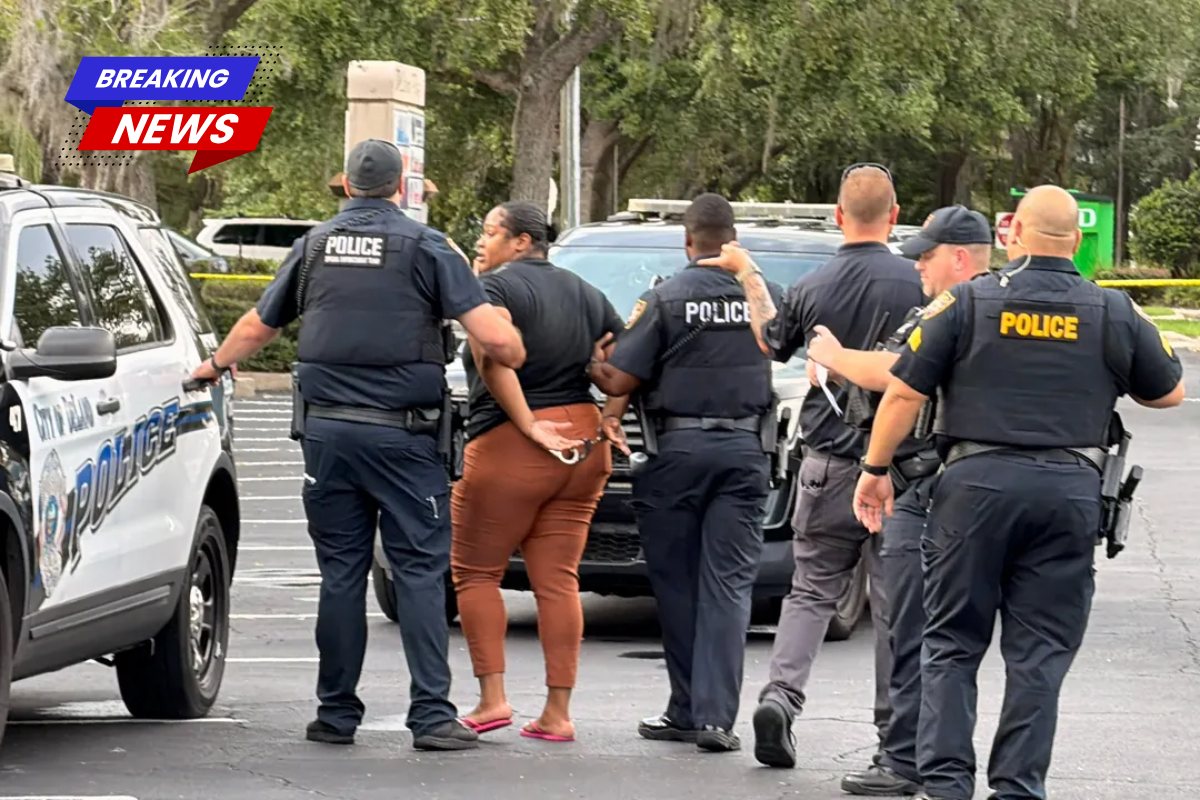
- Shortly after, Fricke voluntarily turned himself in
This means he cooperated with law enforcement after learning about the charges.
Case Overview
| Detail | Information |
|---|---|
| Name | Kristian Fricke |
| Age | 48 |
| Location | Prairieville, Louisiana |
| Charge | Violation of protective order |
| Former role | Jefferson Parish deputy |
| Arrest status | Turned himself in |
Understanding Protective Order Violations
A protective order is a legal directive meant to protect someone from harassment, threats, or harm.
Violating such an order can include:
- Contacting the protected person (calls, messages, etc.)
- Attempting to meet or approach them
- Ignoring court-imposed restrictions
These violations are taken seriously and can lead to arrest and further legal consequences.
Why This Case Matters
This case is important because:
- It involves a former law enforcement officer
- It highlights accountability regardless of position
- It shows how protective orders are enforced strictly
It also raises questions about the events that led to the order being issued.